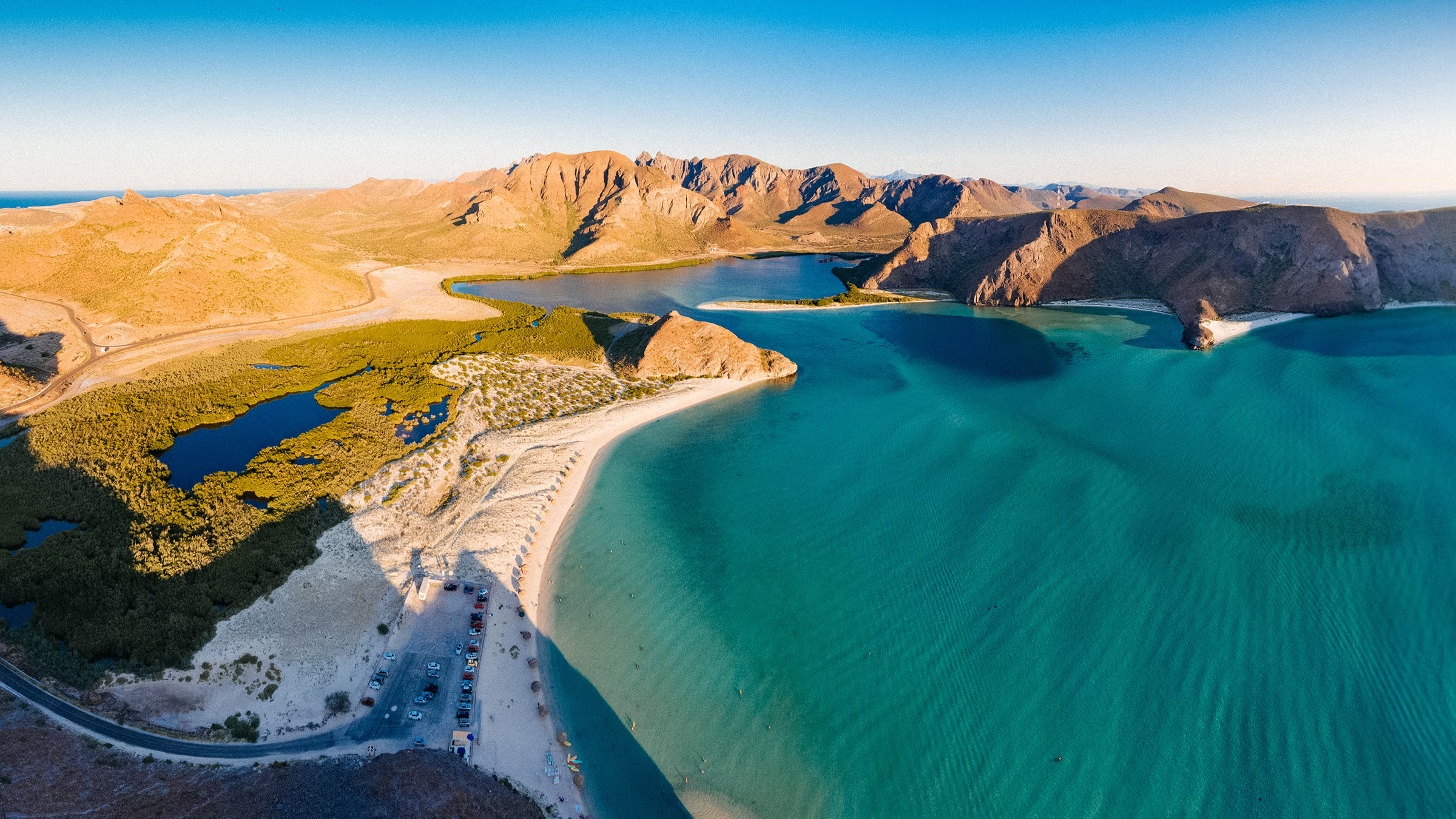
La Paz Bay and the Sea of Cortez — whale shark, manta and mobula season
The giants
Who you’ll meet, month by month
Few coastlines on Earth concentrate this much megafauna in one corridor — and each species runs on its own calendar.
Oct–Apr · La Paz Bay
Whale shark
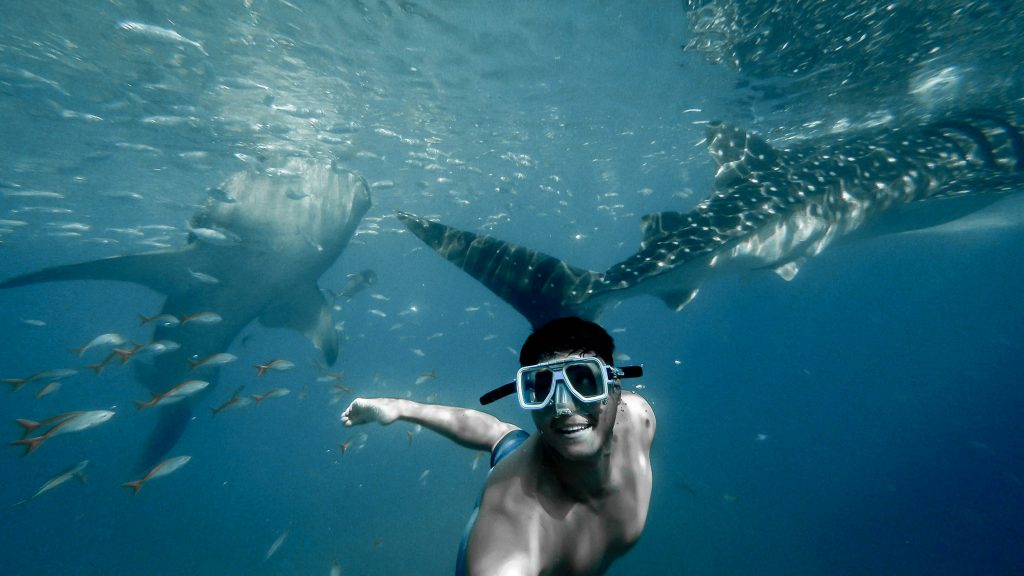
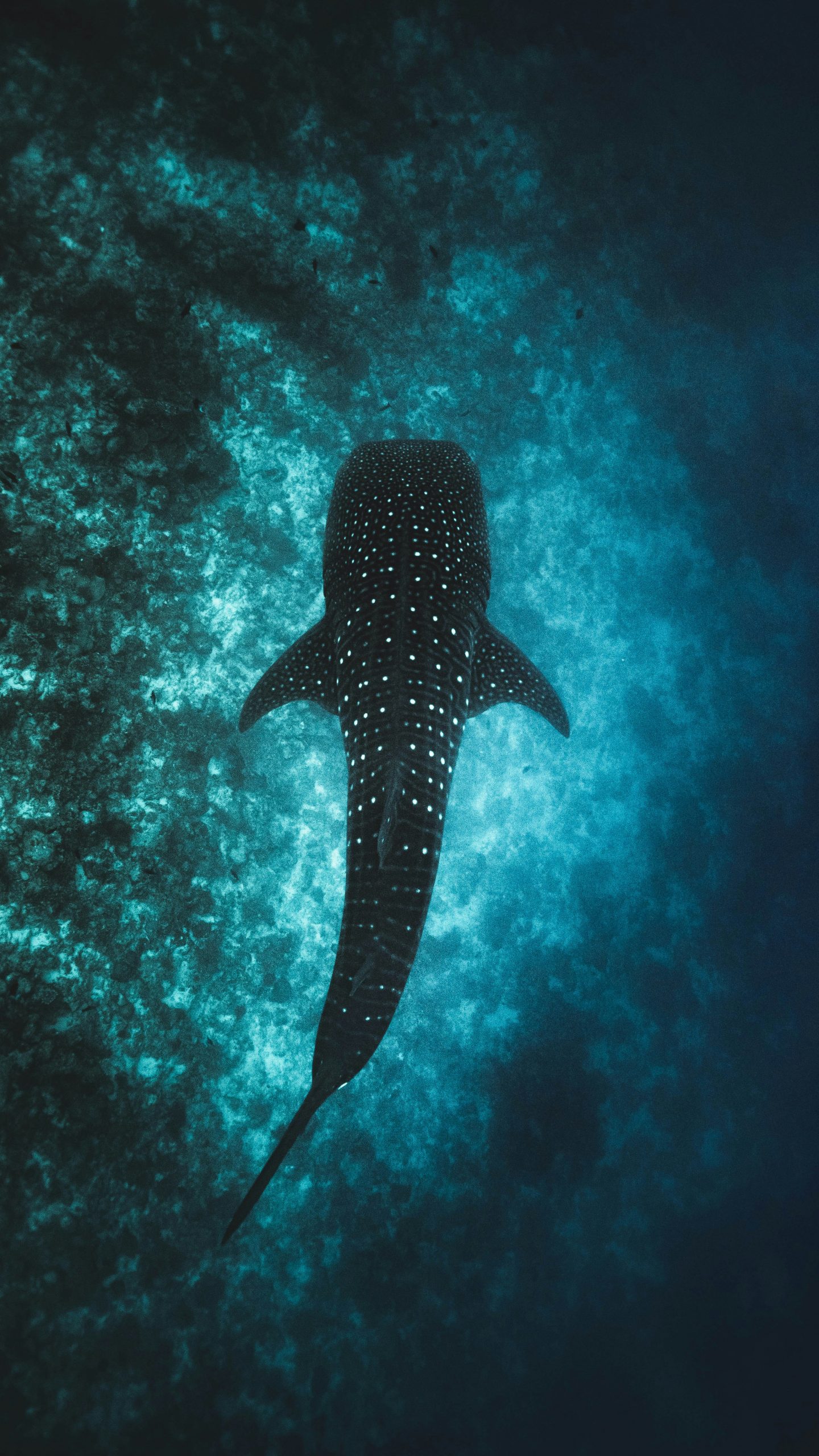
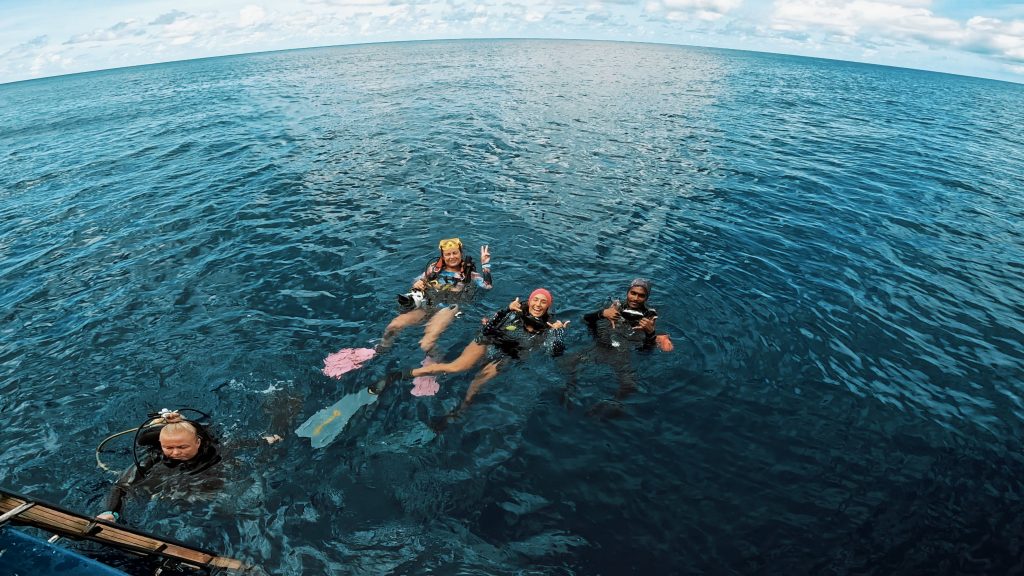
Juveniles gather to feed in the shallow, calm water of La Paz Bay from October to April. Mexican law makes this a snorkel-only encounter — no scuba around whale sharks.
Oct–AprLa Paz BaySnorkel only
Jan–Apr · Pacific lagoons
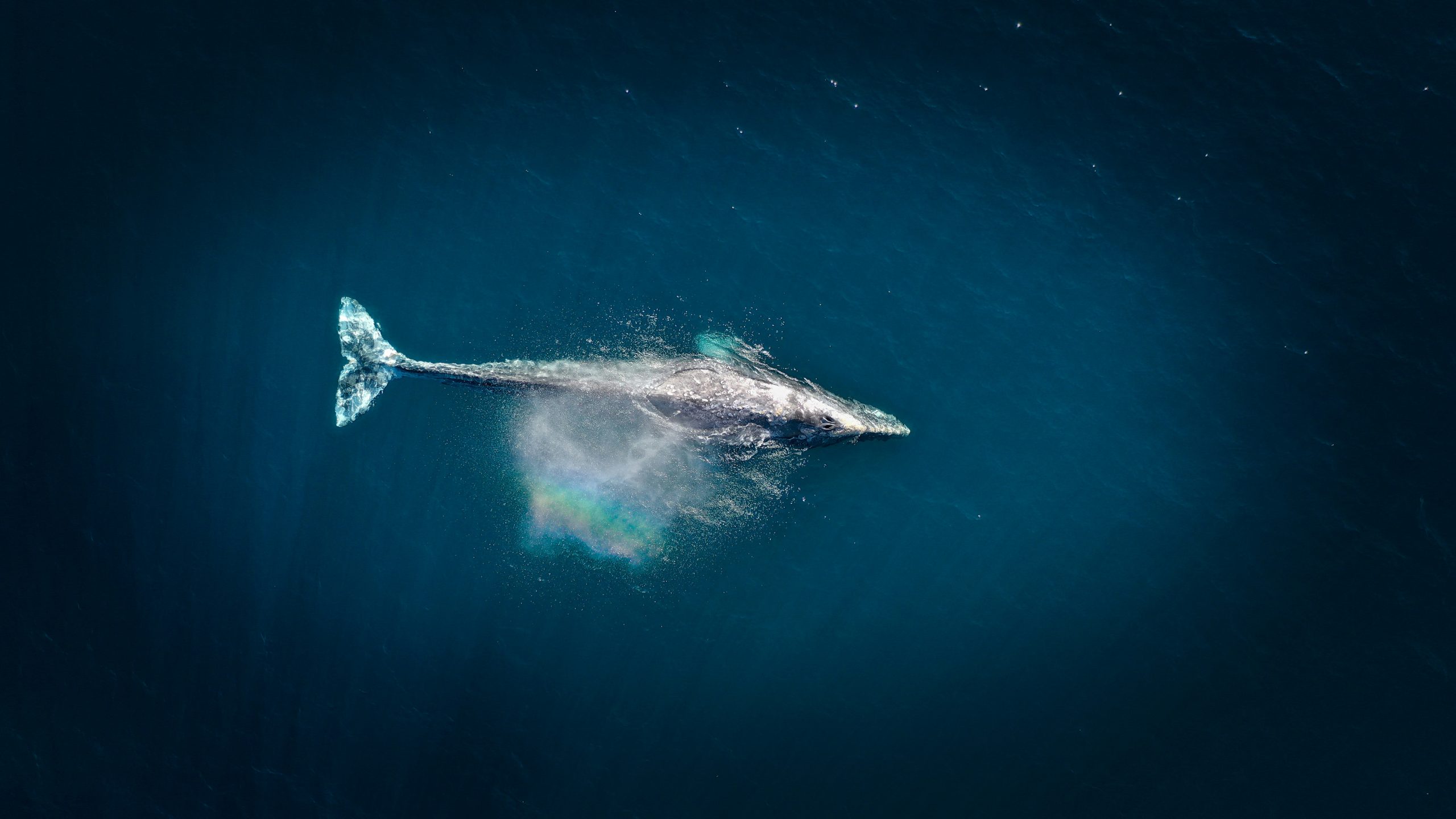
Grey whale
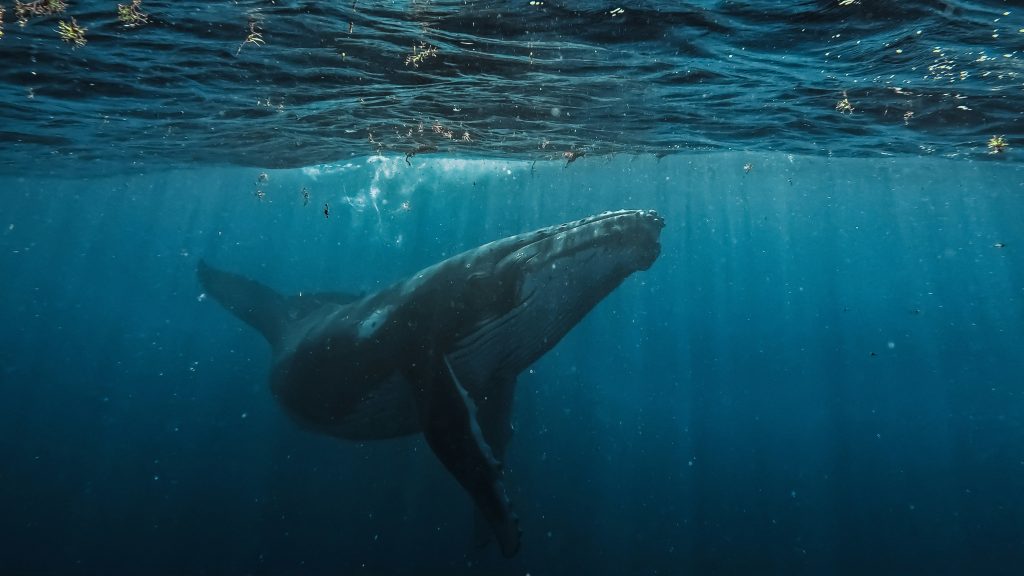
In the Pacific lagoons of Magdalena Bay and San Ignacio, mothers push their calves toward the pangas — the friendly-whale behaviour these lagoons are known for. Observation from the boat only; no swimming.
Jan–AprPacific lagoonsBoat observation
Jun–Sep · Sea of Cortez
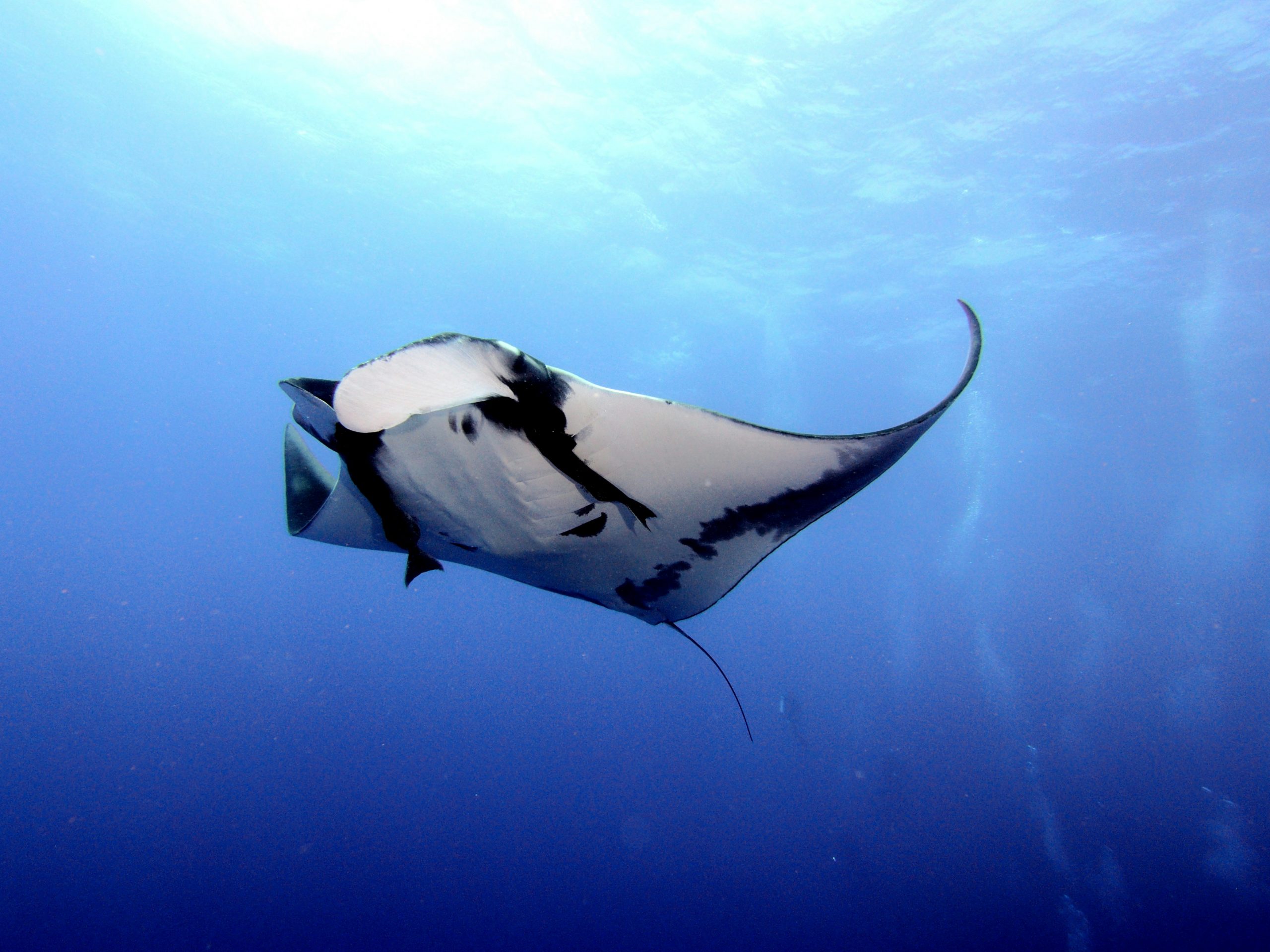
Giant oceanic manta
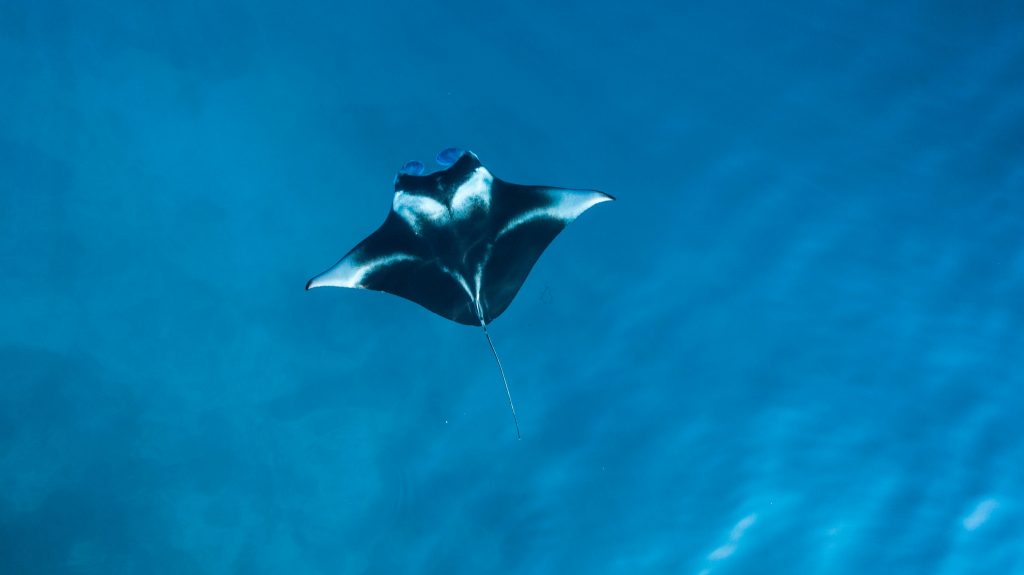
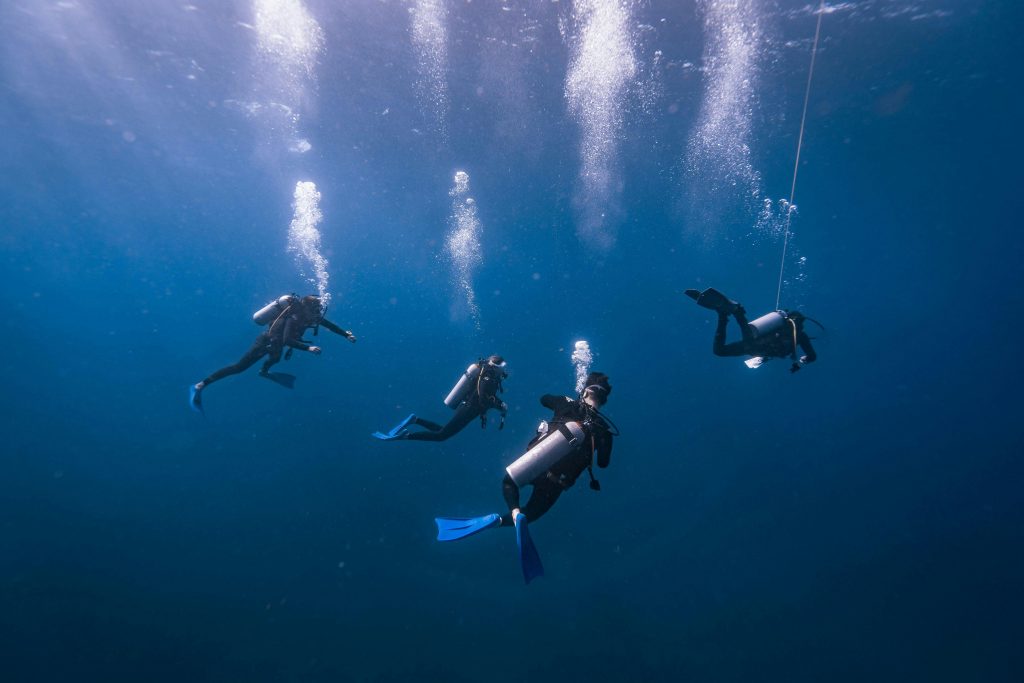
The proper underwater encounter of the set — giant mantas work cleaning stations and cruise the blue water of the Sea of Cortez through the summer months. This is a scuba experience, not a surface one.
Jun–SepScubaCleaning stations
When to go
The full seasonality calendar
Pick your target species first, then your month — February to April is where the most timelines overlap.
🐋 Grey whale
Jan
★
Feb
★
Mar
★
Apr
★
May
—
Jun
—
Jul
—
Aug
—
Sep
—
Oct
—
Nov
—
Dec
—
🐳 Humpback whale
Jan
★
Feb
★
Mar
★
Apr
✓
May
—
Jun
—
Jul
—
Aug
—
Sep
—
Oct
—
Nov
—
Dec
✓
🐋 Blue whale
Jan
✓
Feb
★
Mar
★
Apr
★
May
—
Jun
—
Jul
—
Aug
—
Sep
—
Oct
—
Nov
—
Dec
—
🦈 Whale shark
Jan
★
Feb
★
Mar
★
Apr
✓
May
—
Jun
—
Jul
—
Aug
—
Sep
—
Oct
✓
Nov
★
Dec
★
🐟 Giant manta
Jan
—
Feb
—
Mar
—
Apr
—
May
✓
Jun
★
Jul
★
Aug
★
Sep
—
Oct
—
Nov
—
Dec
—
🐟 Mobula schools
Jan
—
Feb
—
Mar
—
Apr
—
May
✓
Jun
★
Jul
★
Aug
—
Sep
—
Oct
—
Nov
—
Dec
—
🐋 Orca
Jan
✓
Feb
✓
Mar
✓
Apr
✓
May
✓
Jun
✓
Jul
✓
Aug
—
Sep
—
Oct
—
Nov
—
Dec
✓
🦭 Sea lion
Jan
✓
Feb
✓
Mar
✓
Apr
✓
May
✓
Jun
✓
Jul
✓
Aug
✓
Sep
✓
Oct
✓
Nov
✓
Dec
✓
★ Peak · ✓ Present · — Not expected. Orca sightings are opportunistic and never guaranteed. Los Islotes closes to swimmers during the summer sea lion breeding season — confirm current dates with us before booking.
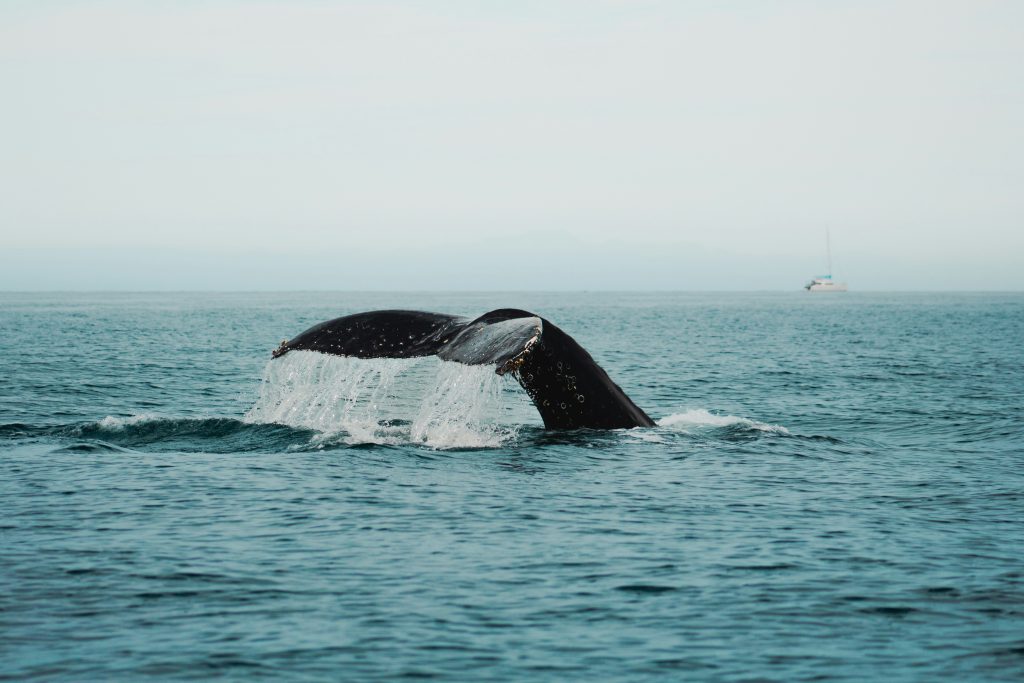
Magdalena Bay pangas and the Sea of Cortez coast
LA PAZ BAY · SURFACE · OCT–APR
🐋 Whale sharks up to 12m gather in La Paz Bay October–April — the largest fish in the ocean, and snorkel-only by law.
The encounters
Snorkel, scuba or panga — the species decides
Site-by-site dive detail lives in our La Paz diving guide — here is how access works species by species.
Whale shark · La Paz Bay
SNORKEL ONLY
Surface · calm bay · Oct–Apr
Mexican law: snorkel only, no scuba around whale sharks. Licensed boats work a designated zone with a cap on how many swimmers are in the water with each animal at once.
Grey whales · Magdalena Bay
BOAT OBSERVATION
Surface · Pacific lagoons · Jan–Apr
No swimming with the whales — the encounter happens from the panga, and the whales choose to approach it. This is the accessible, non-diver-friendly end of the corridor.
Giant manta encounters are scuba, and Advanced Open Water is recommended for the depth and current. Mobula mega-schools work on snorkel too — thousands breaching at the surface.
Around 400 resident sea lions that approach divers, bite fins and spiral around you at 15 minutes from La Paz marina. The site closes to swimmers during summer breeding — confirm dates with us.
Half your group doesn’t dive? In Baja that’s not a problem — ask us how to split the week.
Why La Paz is one of the world’s most regulated whale shark sites
The permits and caps are the reason encounters here stay calm and the animals keep coming back.
Rule
What it means for you
Permit system
The whale shark zone in La Paz Bay is licensed, with limits on how many boats and swimmers operate at once. Exact caps shift by season — ask us for the current limits before booking.
No touching, keep distance
Touching, chasing or blocking the path of any animal is prohibited. Guides set the distance and how many swimmers enter the water with each animal.
Snorkel-only by law
Whale sharks and grey whales are surface encounters only. Scuba around them is not permitted, regardless of your certification level.
Protected areas
Cabo Pulmo National Park, Espíritu Santo and the El Vizcaíno lagoons around Magdalena and San Ignacio are protected. Access runs through licensed operators only.
Seasonal closures
Whale shark season is date-bound, and Los Islotes closes to swimmers during summer sea lion breeding. Confirm current opening dates with us before you lock in flights.
Why regulation is the point
A capped, permitted site is a reliable one. The rules keep the animals returning year after year, which is exactly why the encounters here are so dependable.
Plan your trip
What kind of diving trip are you planning?
Sea of Cortez liveaboards and La Paz shore-based resorts both work here — it depends on your species list.
Liveaboard life between encounters in the Sea of Cortez
Why book through BDB
BDB quality marks
Online reservation agency for liveaboards and dive resorts. Paris, France.
🛡 APST — Your payment is protected
Paris & Besançon · IM025230002 · SIRET 94829922700017
✓ BDB-Verified partner✓ Visited by BDB team⭐ Top-rated for solo divers🎓 Advanced divers👥 Groups & B2B welcome🛡 APST Financial Guarantee💶 No hidden fees — full cost shown✓ Reply under 1hr
We earn commission when you book. If this destination isn’t right for your level or dates, we’ll tell you.
Is it ethical to swim with whale sharks in La Paz?
La Paz Bay is one of the most regulated whale shark sites in the world. Encounters run through licensed operators inside a designated zone, with caps on boats and swimmers, a no-touch rule and set distances. That framework is what makes the encounter sustainable — the sharks return to feed here on their own schedule, not because they’re being lured. Ask us which operators hold current permits before you book.
Can you scuba dive with whale sharks in Mexico?
No. Mexican law makes whale shark encounters snorkel-only — no scuba, regardless of certification. The same applies to grey whales in the Pacific lagoons. Mantas, mobulas and sea lions are the underwater side of the trip; whale sharks and whales are surface encounters.
When is the best month to see the most species at once?
February to April is the peak overlap window. In those months you can line up grey whales in Magdalena Bay, blue and humpback whales off Loreto, and the tail of whale shark season in La Paz Bay — all in one trip. Manta and mobula season runs later, roughly May to September, so a summer trip trades the whales for underwater ray encounters.
Can non-divers join a Baja wildlife trip?
Yes, and it’s one of the reasons this corridor suits mixed groups. Whale sharks and grey whales are snorkel and boat-observation encounters that need no certification at all, while certified divers in the same group can add manta dives and sea lion dives. We can help you build a week where divers and non-divers share most of the wildlife and split off only where it makes sense.
Where do you see the mobula ray aggregations?
The big mobula schools form in the Sea of Cortez, generally May to July, when thousands aggregate and breach clear of the water. It works as both a snorkel and a dive experience, and it’s often when orcas move in to hunt them — an opportunistic sighting, never a guaranteed one.
Do you need a permit to swim with grey whales or whale sharks?
You personally don’t carry a permit — the licensed operator does, and you join under theirs. That’s exactly why booking through a permitted operator matters: it’s the difference between a legal, regulated encounter and an unlicensed one. We only work with operators who hold the current permits for their zone.