Daedalus Reef: What to Expect on Egypt’s Deep South Sites
A solitary reef roughly 90km offshore, reachable only by liveaboard, built around a historic lighthouse, schooling hammerheads and a wall of anemones known as Anemone City.
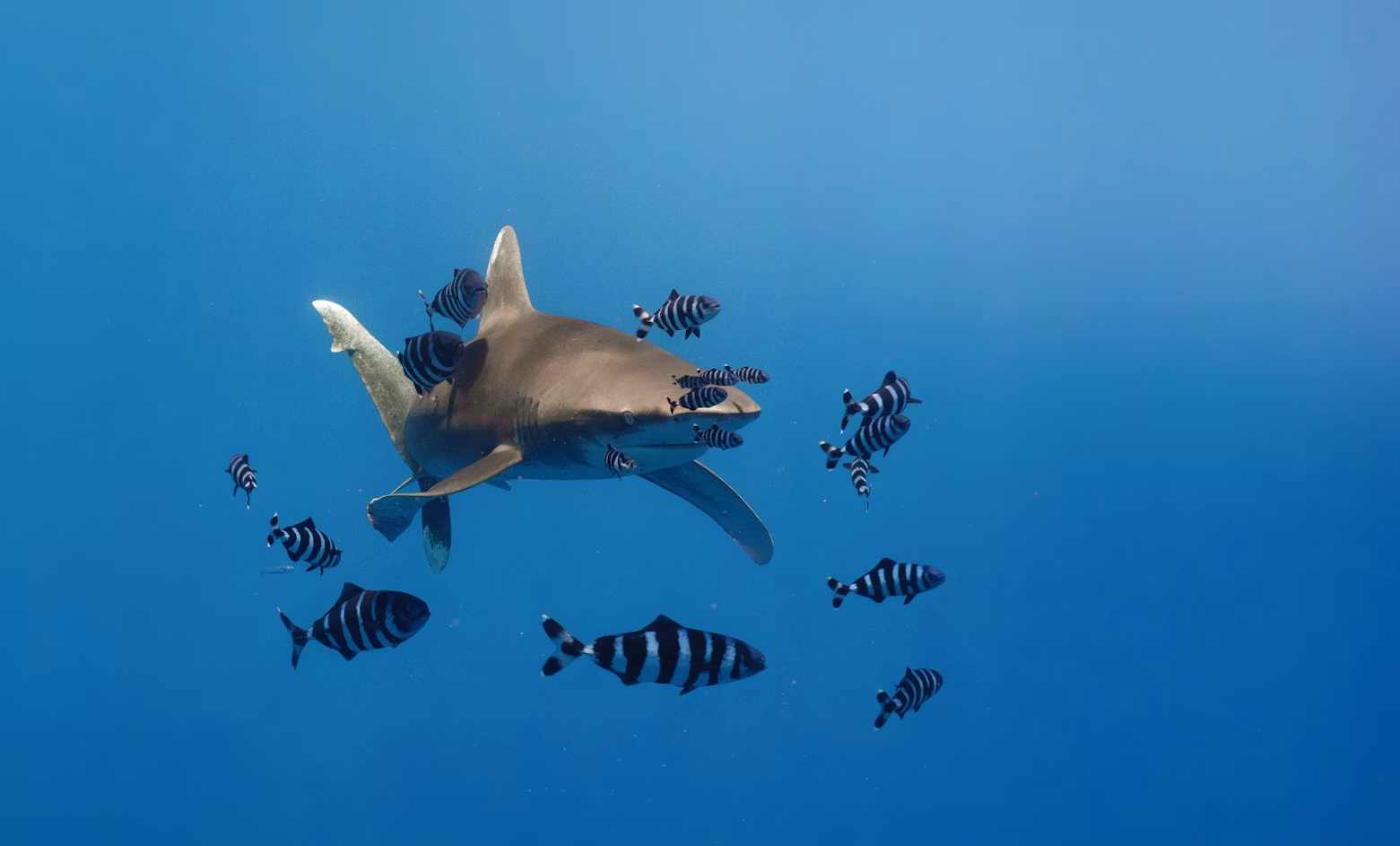
Hammerheads, an oceanic whitetip and the reef wall at Daedalus
MARINE LIFE
The Marine Life You’re Here For
Three encounters define a Daedalus trip, and each one depends on which side of the reef you’re diving.
NORTH PLATEAU
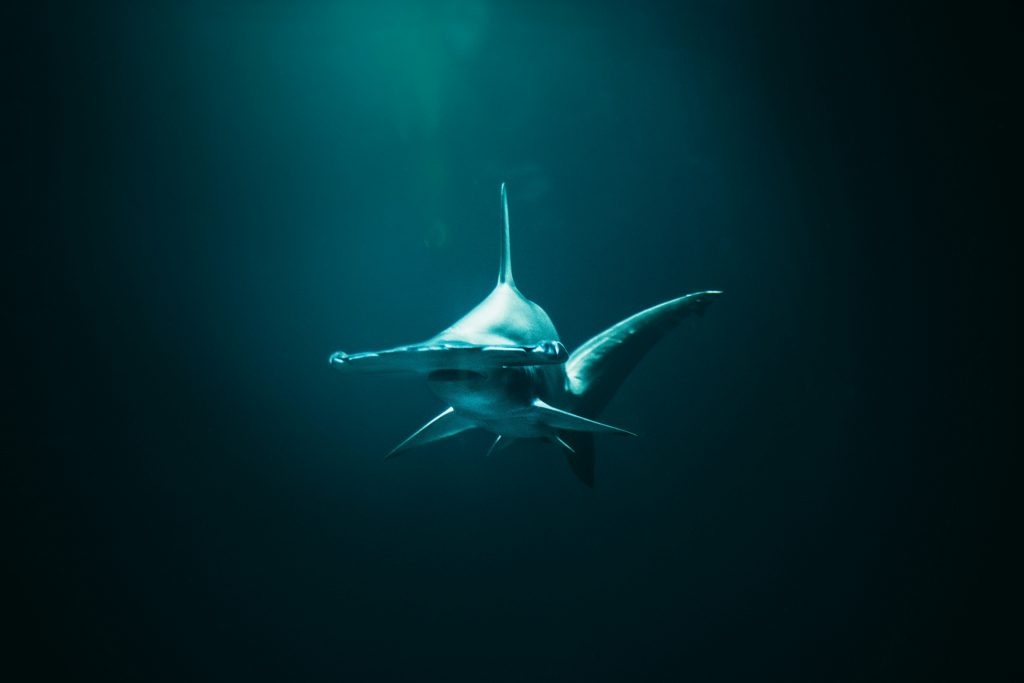
Scalloped Hammerhead Shark
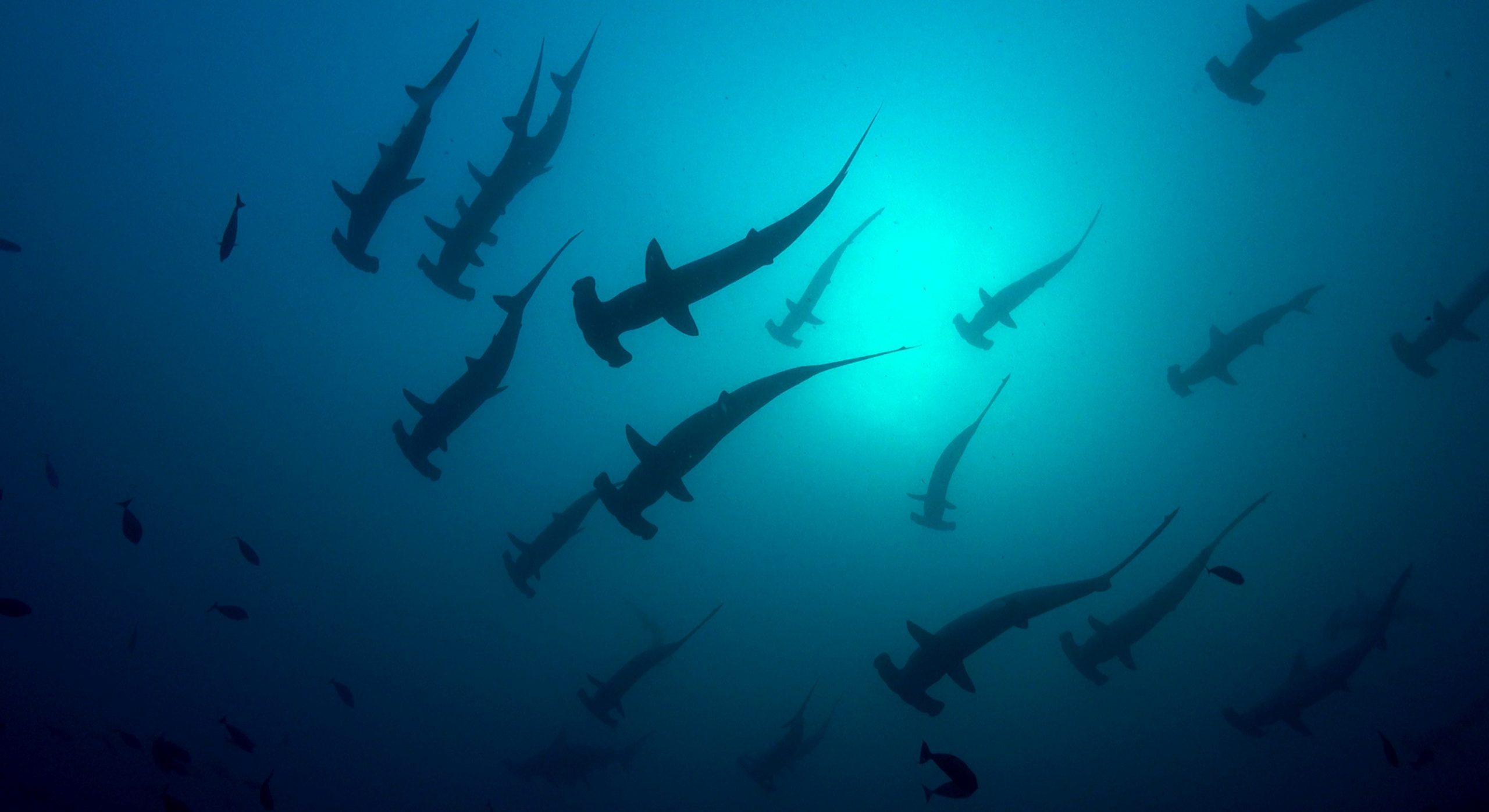
Daedalus is regarded as one of the Red Sea’s best sites for schooling hammerheads, most often near the northern tip where the current splits. Sightings vary trip to trip — ask us for recent reports before you book your dates.
SchoolingNorth tipCurrent-dependent
SOUTH PLATEAU / MOORINGS
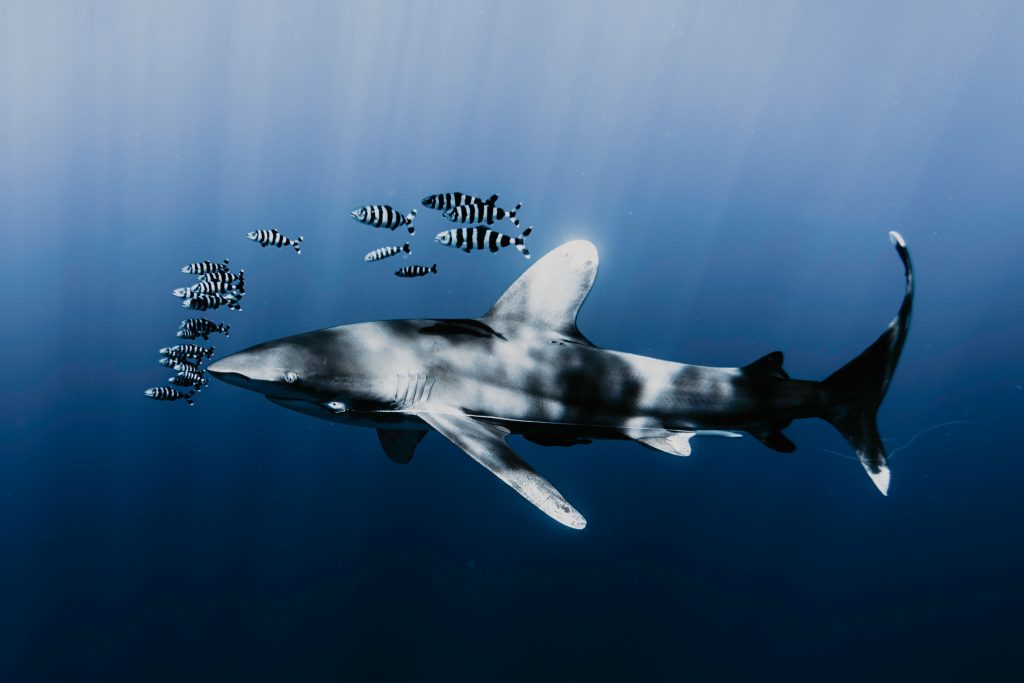
Oceanic Whitetip Shark
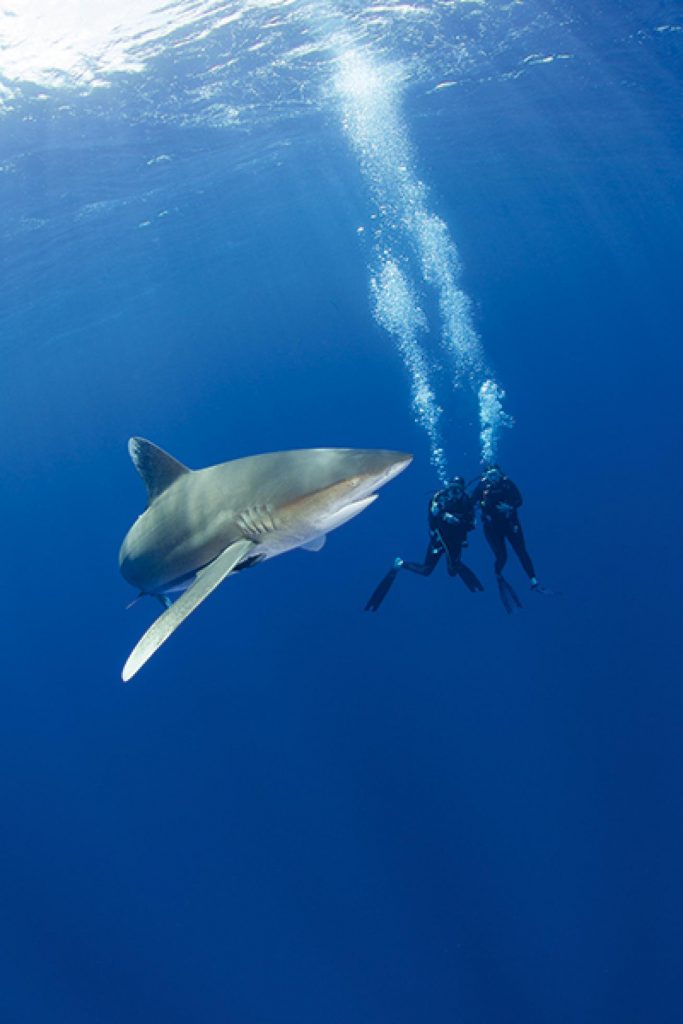
Oceanic whitetips are known to circle close to the liveaboard moorings near the lighthouse, often approaching divers at the safety stop. Stay vertical and keep them in sight — they’re curious, not aggressive.
PelagicMooring encountersVulnerable species
WEST WALL
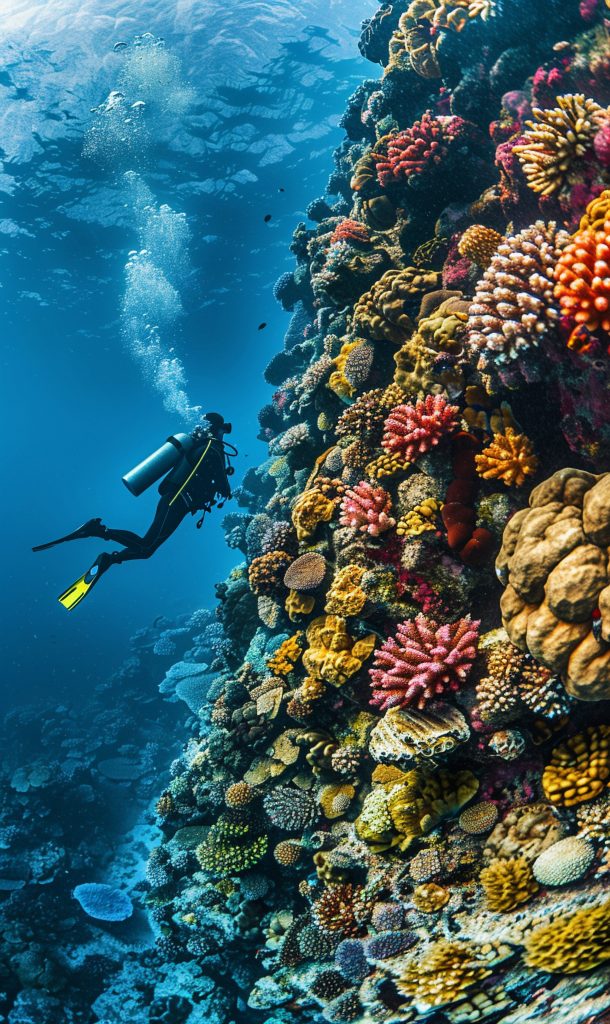
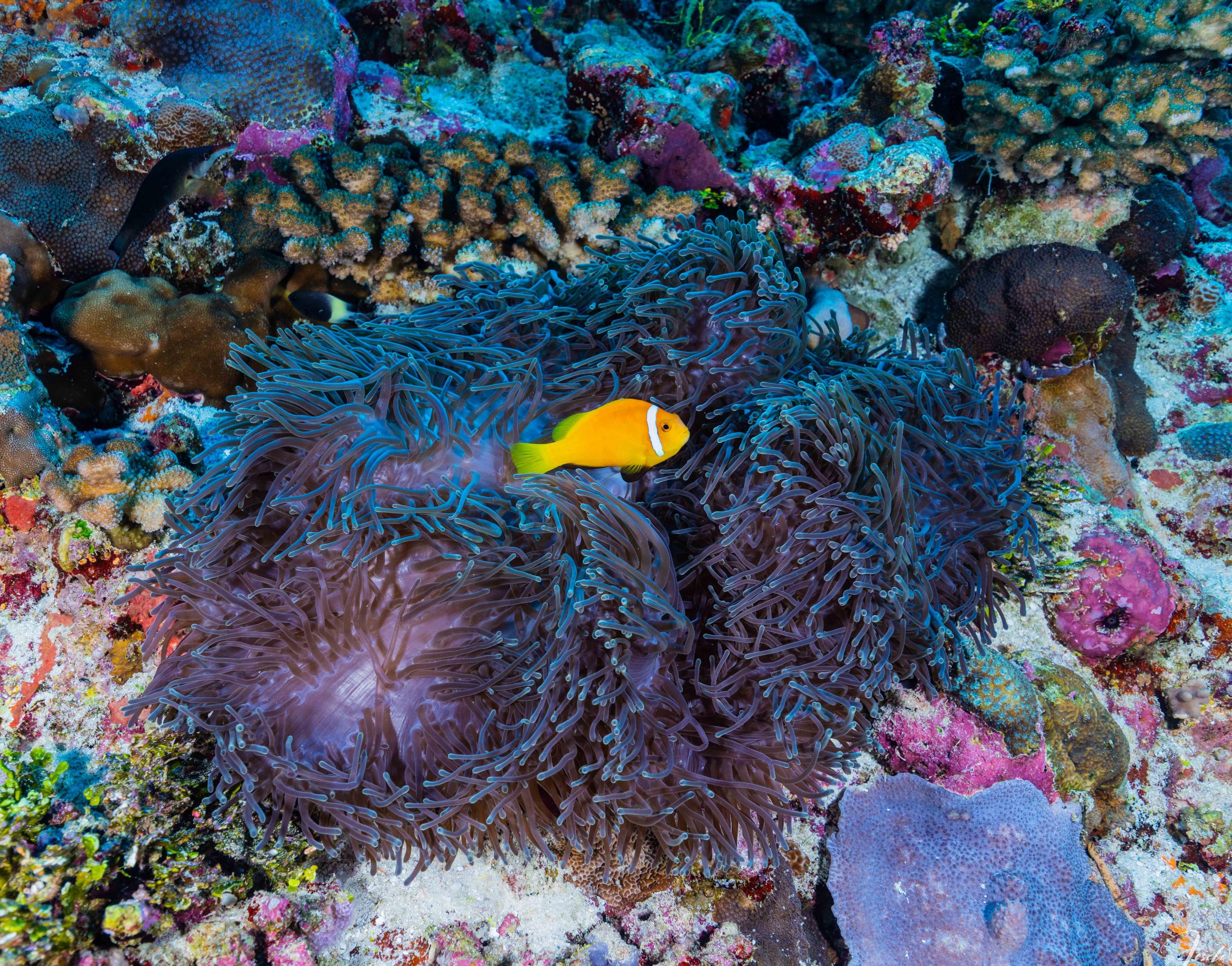
Anemone City
A stretch of the west wall, roughly 50m long, is carpeted in anemones from just below the surface down past 30m — a macro highlight between the bigger pelagic dives. Anemonefish and dottybacks make it home.
MacroWest wall5–30m
CONDITIONS
North Plateau vs. South Plateau
Daedalus is a single reef, but the north and south ends dive very differently.
North Plateau
South Plateau & Lighthouse
Current: Typically splits here and often runs strong — the same conditions that draw pelagics in.
Current: More sheltered, close to where liveaboards moor overnight near the lighthouse piers.
Signature encounter: Schooling hammerheads, more likely when the split creates a current eddy to wait in.
Signature encounter: Oceanic whitetips and occasional thresher sharks passing the mooring line.
Depth: Wall dropping past 40m, with schools usually sighted mid-water off the tip.
Depth: A sandy plateau around 30–40m, with the remains of an old lighthouse pier.
Best for: Divers comfortable holding position in current and waiting in blue water.
Best for: A calmer profile, and the easiest access to visit the lighthouse itself.
Reports on the best months for hammerhead schooling vary by source and by year — ask us for the most current picture before you lock in your dates.
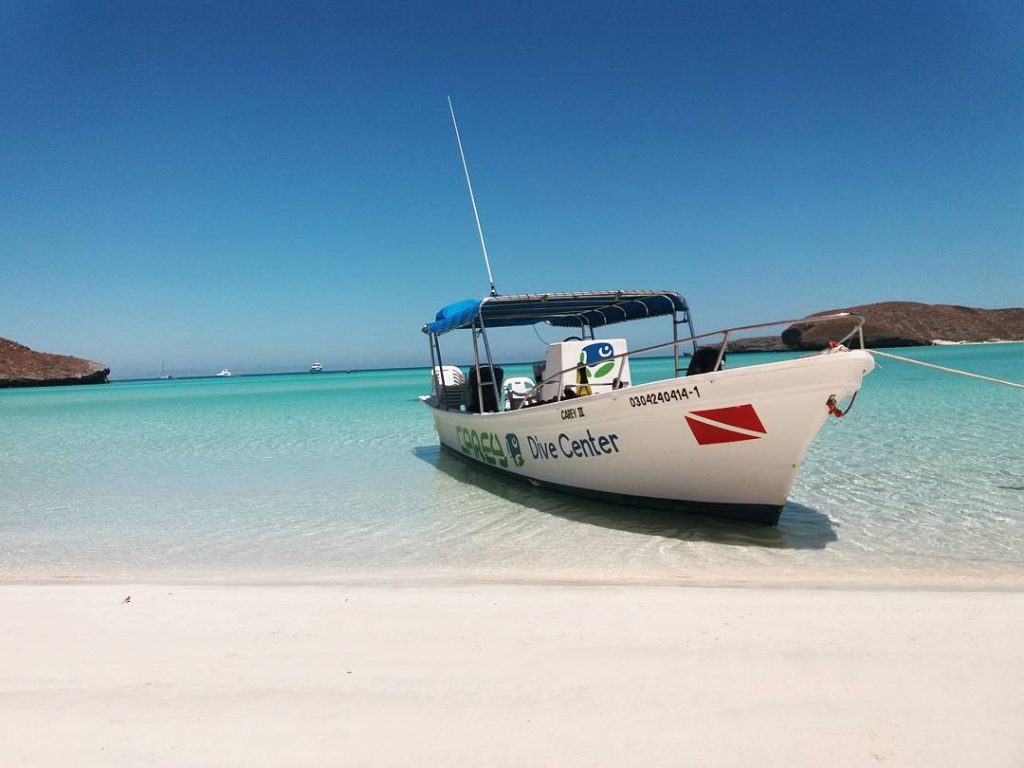
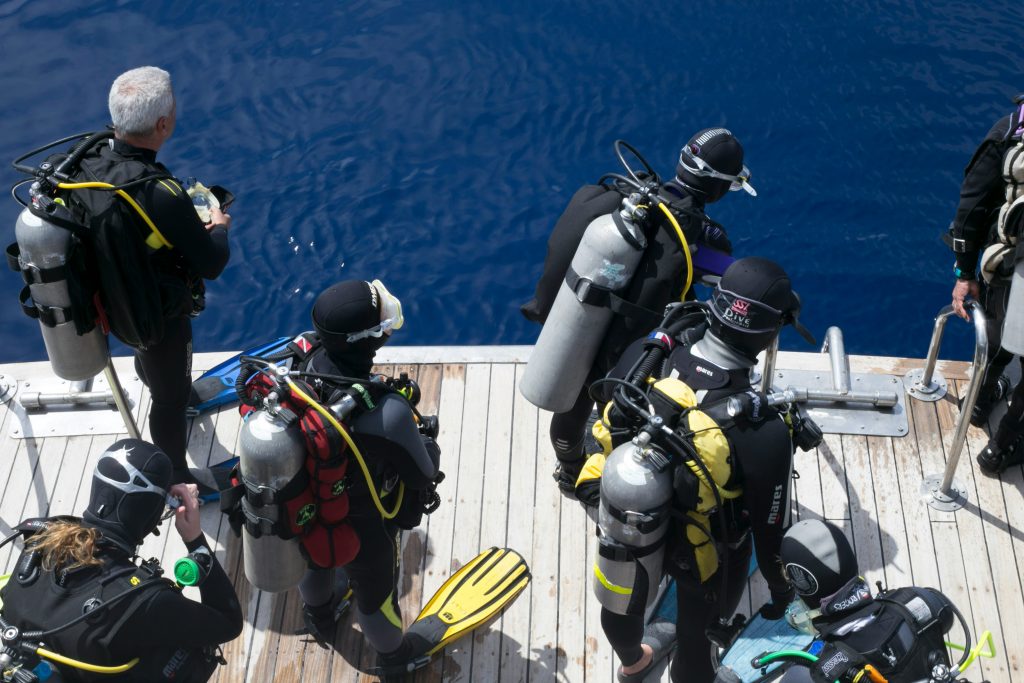
A moored liveaboard, and open water between dives
NORTH PLATEAU · 30–40M · CURRENT-DEPENDENT
🔨 A single eddy on the north plateau can hold a school of 20+ hammerheads.
DIVE SITES
The Dive Sites in Detail
Three distinct profiles make up a typical Daedalus itinerary, each dived on its own merits.
North Plateau
ADVANCED
30–40m · Strong, splitting current · Year-round
The classic hammerhead site, where the current divides around the reef’s northern tip. Finding an eddy out of the flow is the standard tactic for waiting out a school.
South Plateau & Lighthouse Moorings
ADVANCED
30–40m plateau, sheltered mooring · Moderate current · Year-round
Liveaboards moor here overnight near the remains of the lighthouse pier. Oceanic whitetips are a regular sighting right at the mooring line, with occasional thresher sharks passing through.
West Wall / Anemone City
INTERMEDIATE
5–30m · Sheltered · Year-round
A steep wall carpeted in anemones and soft corals, better suited to a slower, macro-focused dive between the bigger pelagic sites.
Not sure you have enough current experience for Daedalus? Ask before you book.
Daedalus rewards preparation — here’s what actually matters before you book.
Topic
Detail
Certification
Most operators ask for Advanced Open Water with 20–30+ logged dives given the currents and depths involved. Exact requirements vary by boat — confirm with your operator.
Currents
Current typically splits at the north tip and can run strong; dive plans account for a drifting pickup rather than swimming back to the mooring.
Night diving
Night diving is prohibited within the marine park at Daedalus — currents are considered too unpredictable after dark.
Marine park fees
Daedalus sits inside Egypt’s Red Sea marine protected area; port and park fees are usually collected in cash on board rather than included in the booking price.
The lighthouse
Built in 1863 and rebuilt since, it can be visited on foot via its pier between dives — bring cash if you want a T-shirt from the crew.
Technical wreck diving
The Zealot lies well beyond recreational depths (75–120m) and is only accessible to technical divers with the right training and gear.
Access
Reachable only by liveaboard, roughly 90–100km offshore — usually an overnight sail from Port Ghalib, often paired with the Brothers and Elphinstone on a Deep South route.
Plan your trip
What kind of diving trip are you planning?
Daedalus pairs naturally with the Brothers and Elphinstone on a Deep South route.
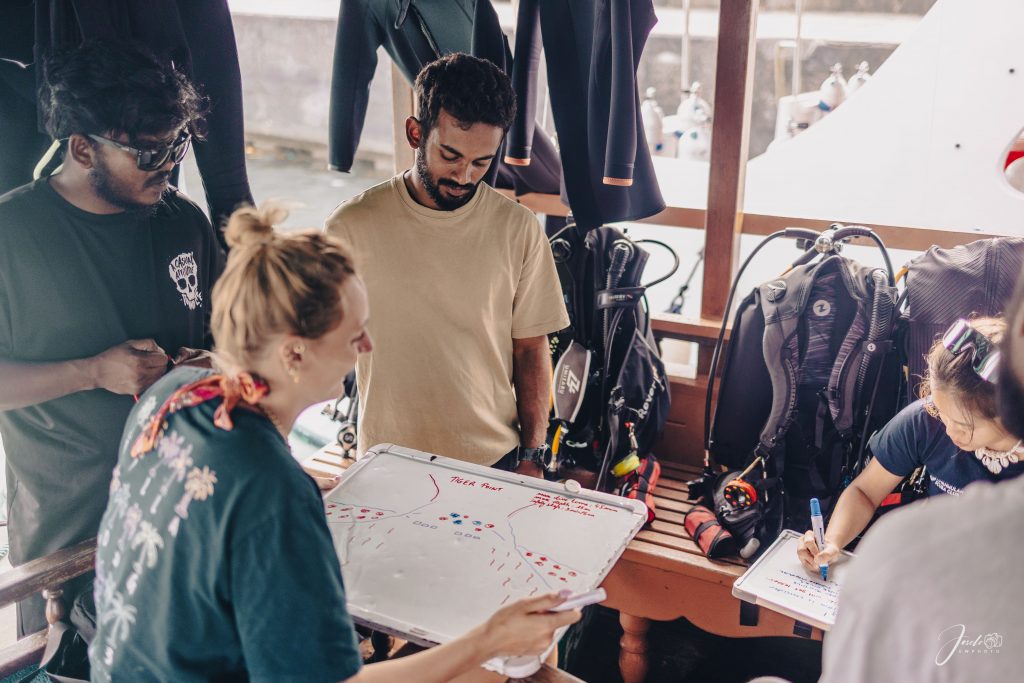
Dawn briefings, surface intervals and gearing up — liveaboard life on a Deep South route
Why book through BDB
BDB quality marks
Online reservation agency for liveaboards and dive resorts. Paris, France.
🛡 APST — Your payment is protected
Paris & Besançon · IM025230002 · SIRET 94829922700017
✓ BDB-Verified partner✓ Visited by BDB team⭐ Top-rated for solo divers🎓 Advanced divers👥 Groups & B2B welcome🛡 APST Financial Guarantee💶 No hidden fees — full cost shown✓ Reply under 1hr
We earn commission when you book. If this destination isn’t right for your level or dates, we’ll tell you.
Do I need Advanced certification to dive Daedalus Reef?
Most operators ask for Advanced Open Water as a minimum, since the plateau sites regularly sit at 30–40m and currents can be strong, especially at the north tip. A number of logged dives (often 20-30+) is usually expected too, though exact requirements vary by boat — we can confirm what a specific operator needs before you book.
What’s the best time of year to see hammerheads at Daedalus?
There’s no single confirmed window — reports on the strongest months vary by source and by year, with some pointing to spring and others to summer for the north plateau schools. Grey reef and oceanic whitetip sharks tend to be seen more consistently year-round. Ask us for the most current picture before choosing your dates.
Can I combine Daedalus with the Brothers Islands or Elphinstone?
Yes — Daedalus, the Brothers and Elphinstone are often combined on a single Deep South liveaboard itinerary, typically 7-10 nights. Ask us about routes that cover all three.
How do I get to Daedalus Reef?
Daedalus is only reachable by liveaboard, roughly 90-100km offshore in the middle of the Red Sea. There’s no day-boat option — it’s built into a multi-day liveaboard itinerary, usually reached by an overnight sail from Port Ghalib.
Is night diving allowed at Daedalus?
No — night diving is prohibited within the marine park at Daedalus, largely because currents are considered too unpredictable once the sun goes down.
What is Anemone City?
Anemone City is a section of Daedalus’s west wall, roughly 50m long, carpeted in anemones from just below the surface down past 30m. It’s home to Red Sea anemonefish and dottybacks, and is a favorite stop for macro photographers between the bigger pelagic dives.