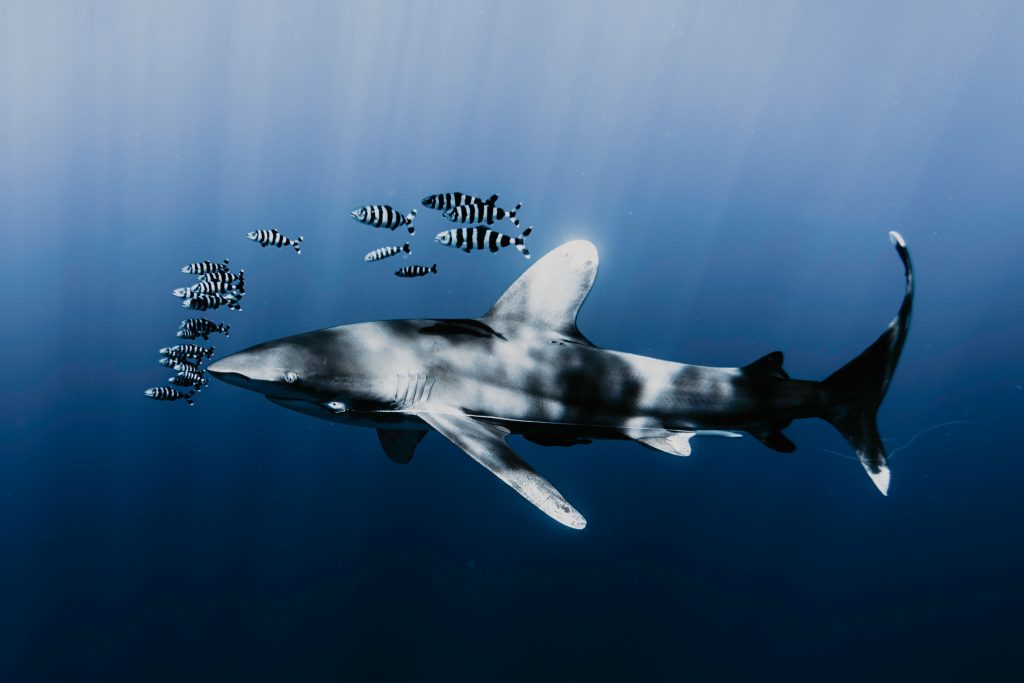
Oceanic whitetip and hammerheads — the pelagics of a Brothers trip
MARINE LIFE
The Sharks You’re Here For
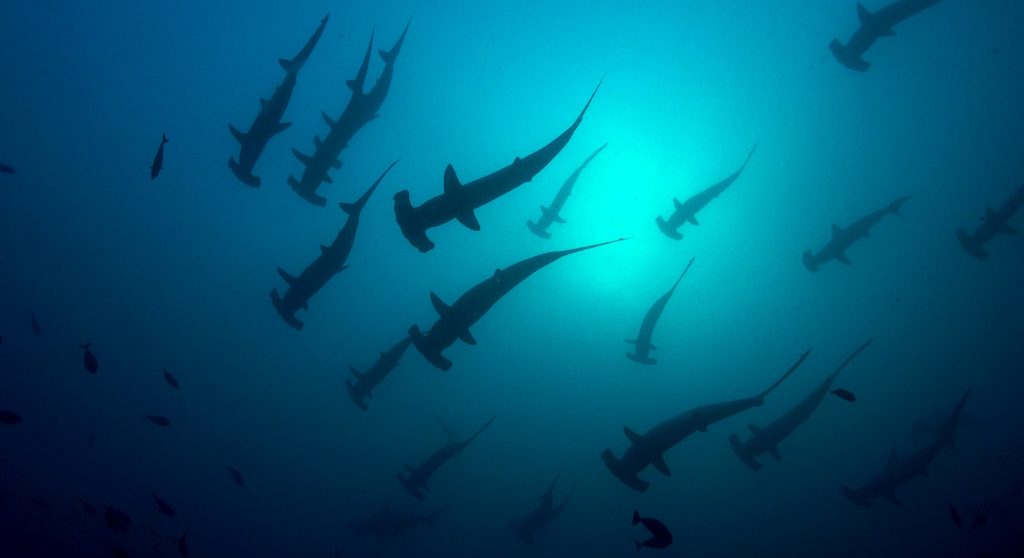
Three species define a Brothers trip, and each behaves differently depending on where and when you dive.
MOST LIKELY SEPT–FEB
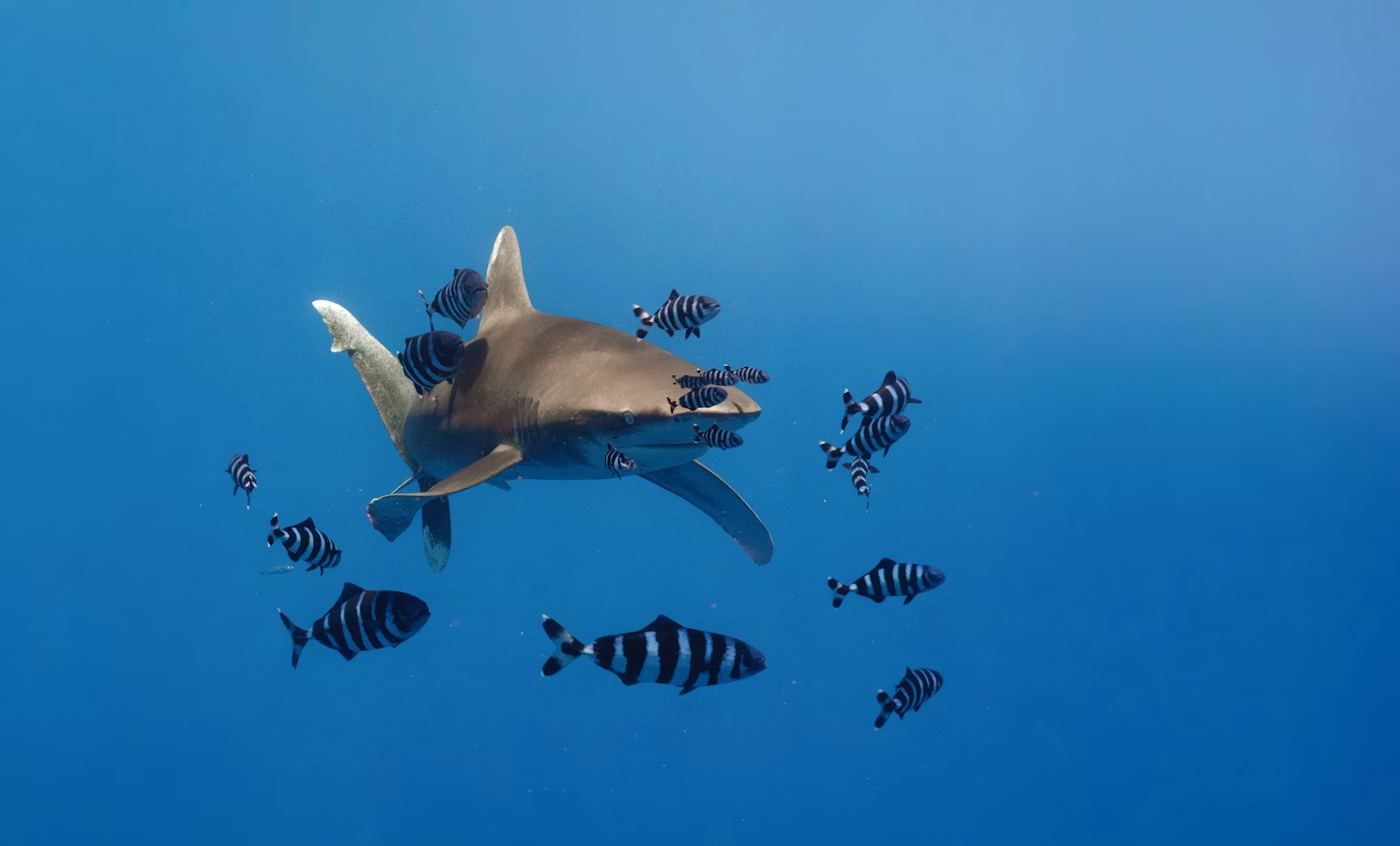
Oceanic Whitetip Shark
Grows to around 4m and patrols the open water off Big Brother, often circling boats and divers at the safety stop. Best odds run roughly September through February, with sightings outside that window too — ask us for recent reports before you book.
PelagicUp to 4mSafety-stop encounters
DAWN, CLEANING STATION
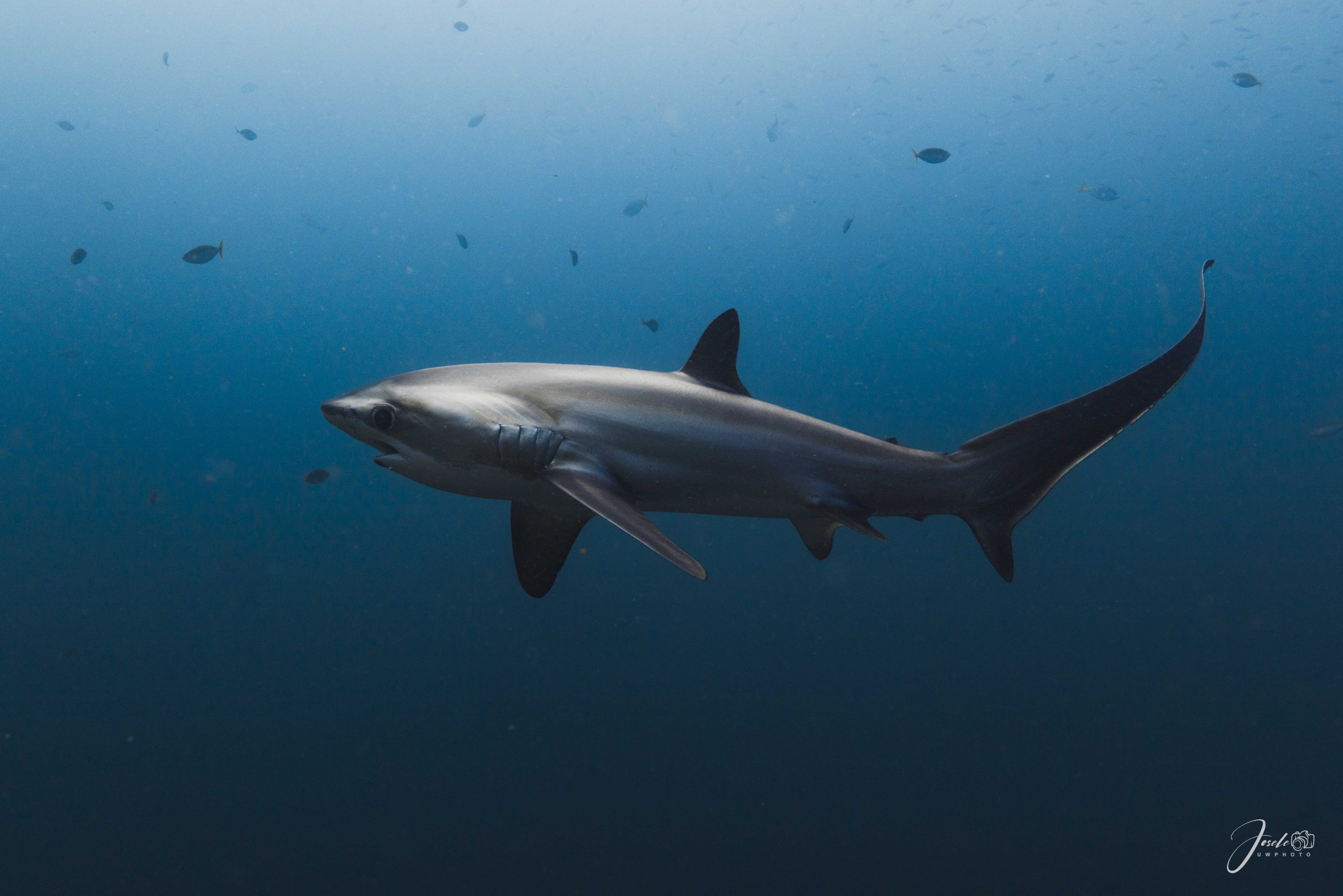
Thresher Shark
Deepwater sharks that rise toward the Big Brother plateau at first light, recognizable by a whip-like tail nearly as long as the body. Best odds are the first dive of the day — flash photography sends them straight back down.
Dawn divesDeepwaterNo flash
YEAR-ROUND, WALLS
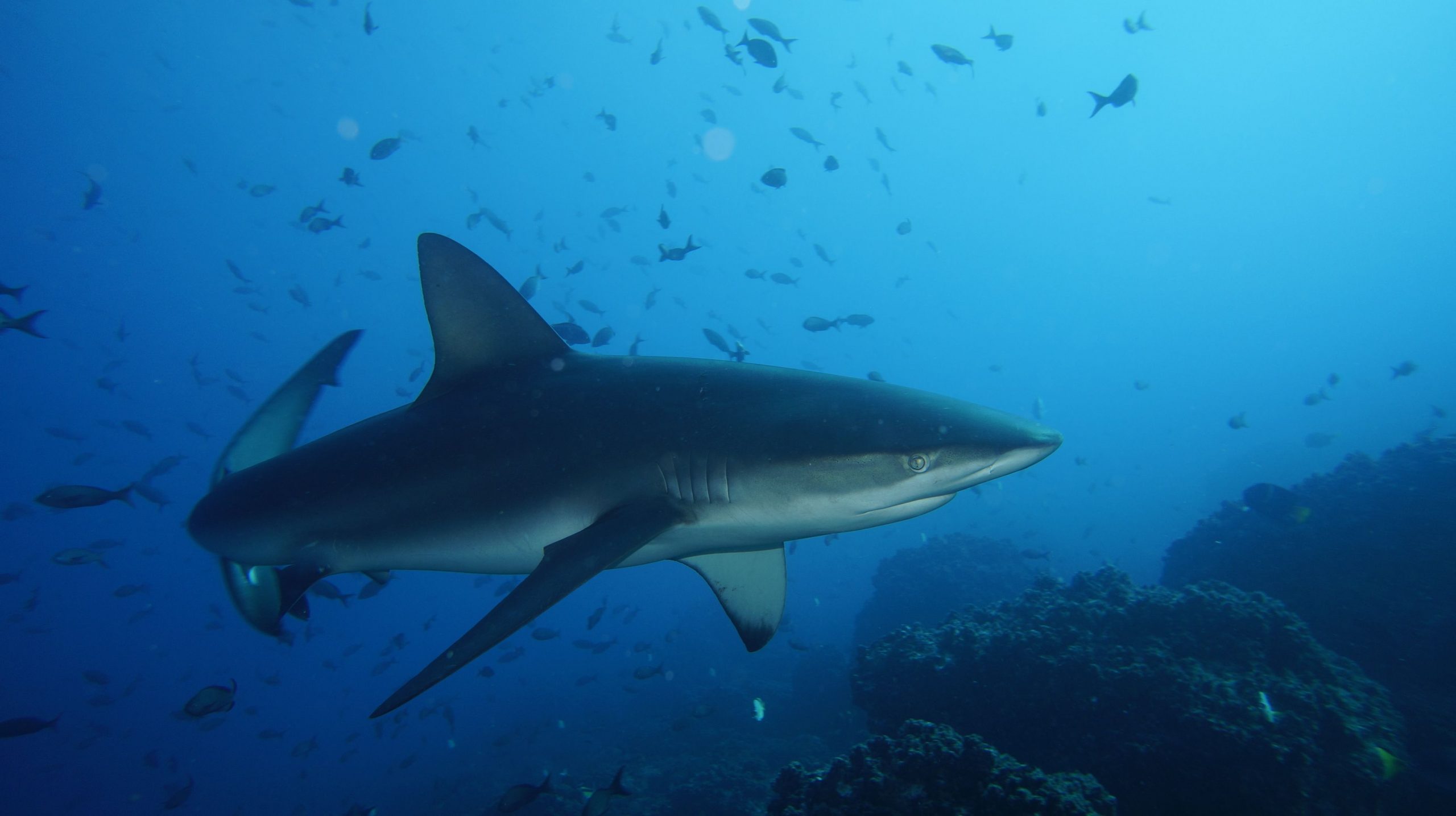
Grey Reef & Silvertip Shark
Grey reef sharks patrol both islands’ walls year-round, with silvertips also reported around Little Brother. Less dramatic than the pelagics, but the most reliable sighting on any given dive.
Year-roundWall divesReliable sighting
THE TWO ISLANDS
Big Brother vs. Little Brother
The two islands sit barely a kilometer apart but dive very differently.
Big Brother
Little Brother
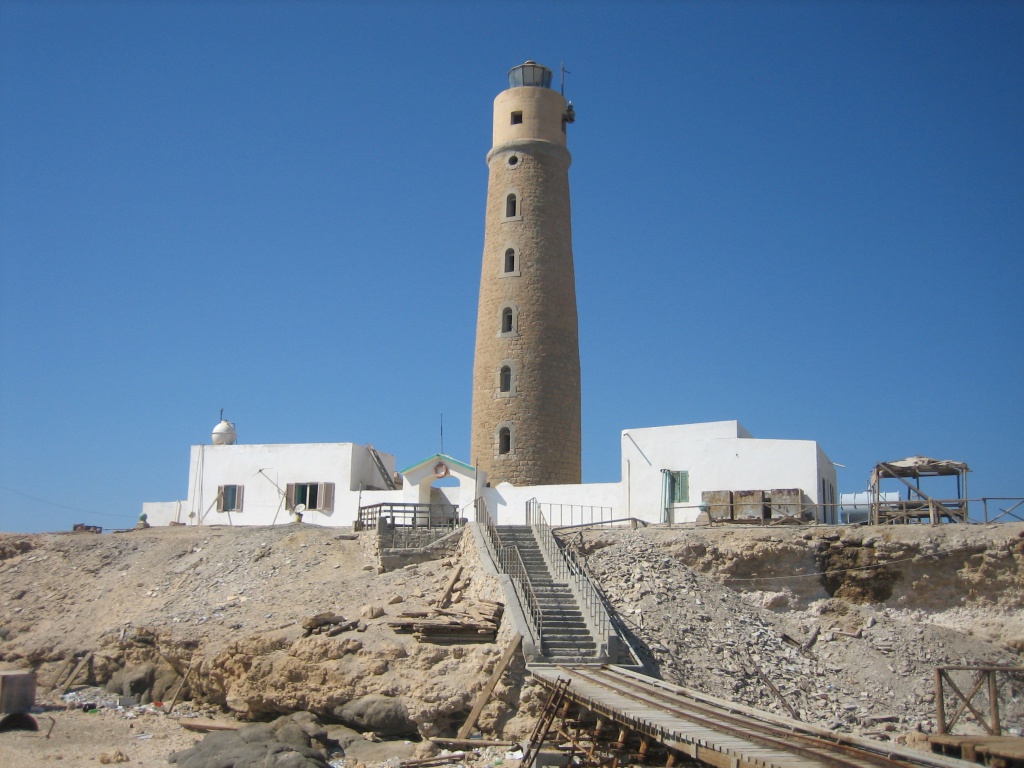
Landmark: Victorian lighthouse (1883) marks the plateau; moorings sit close to the wrecks.
Landmark: No lighthouse — smaller footprint, walls drop steeper right off the boat.
Wrecks: Numidia and Aida sit on the north/east side, both reachable in a single dive.
Wrecks: None — the draw is the reef wall and a drift along the plateau.
Signature site: South Plateau cleaning station, 30–40m, best for thresher and hammerhead passes.
Signature site: Steep coral walls with dense gorgonian fans and schooling reef fish.
Best known for: Oceanic whitetips patrolling between moored liveaboards at the surface interval.
Best known for: Grey reef and silvertip sharks as the more consistent sighting.
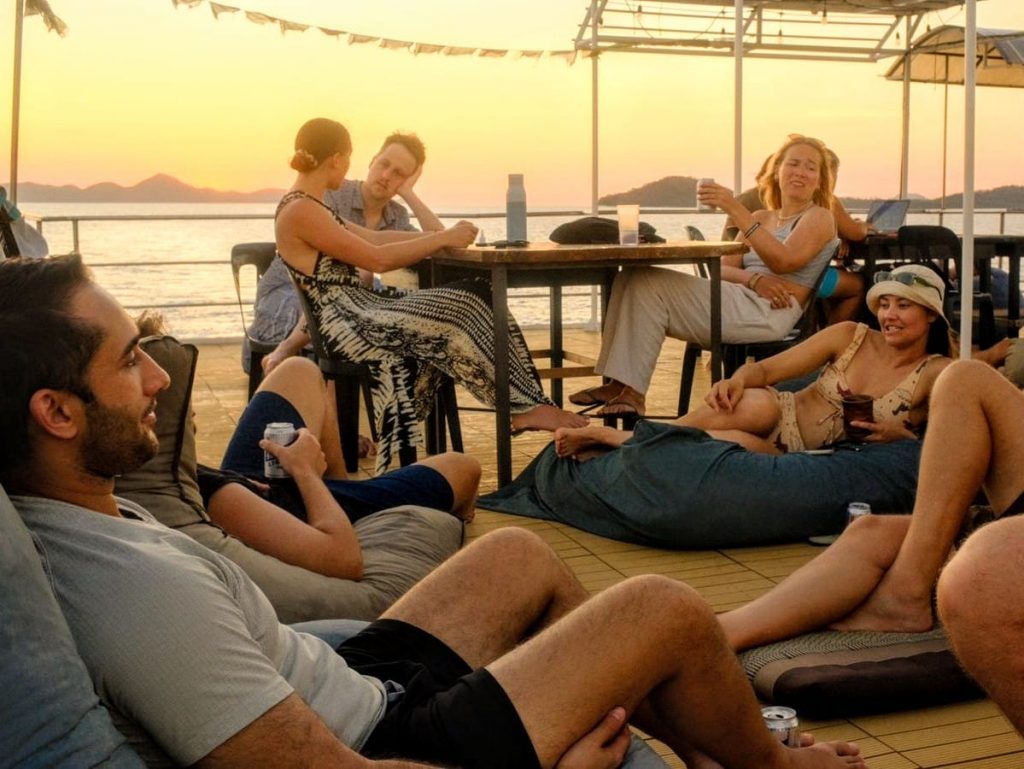
The 1883 lighthouse, a moored liveaboard, and sunset over open water at the Brothers
BIG BROTHER PLATEAU · 30–40M · DAWN
🦈 Thresher sharks rise to the cleaning station only in the first light of day.
DIVE SITES
The Wrecks and the Walls
Four sites make up the core of a Brothers itinerary, usually split across one to two days per island.
SS Numidia
ADVANCED
8–90m · Strong current possible · Year-round
British cargo steamer that struck the reef in 1901; the bow sits at recreational depths while the stern drops well past 60m. Soft coral now covers the hull so thoroughly it blends into the reef itself.
Aida Wreck
ADVANCED
Below 30m, extending deeper along the slope · Moderate–strong current · Year-round
Egyptian supply vessel that ran aground while supplying the lighthouse; lies broken along the island’s flank close to the Numidia. Reef fish and moray eels have taken over the wreckage.
South Plateau
ADVANCED
30–40m cleaning station, dropping past 80m off the point · Current often runs from the north
Extends south from Big Brother’s tip and is the most reliable spot for thresher and hammerhead passes. Current can make swimming back to the mooring difficult, so dive plans account for a drifting pickup.
Little Brother Walls
ADVANCED
5m to well past 40m · Current varies by side · Year-round
Steep walls on the east and south sides carry dense gorgonian fans and schooling fish, with grey reef and silvertip sharks patrolling the drop-off. Considered the better wall for wide-angle coral shots.
Not sure your current logbook is enough for the Brothers? Ask before you book.
The Brothers reward experience — here’s what to expect before you commit to the itinerary.
Topic
Detail
Certification
Most operators ask for Advanced Open Water as a minimum, with a deep specialty or 30+ logged dives recommended given the depths involved. Requirements vary by boat — confirm with your operator.
Currents & drift diving
Conditions can change mid-dive and the return swim to the mooring isn’t always possible against the current; dive plans typically account for a drifting pickup by RIB.
Surface marker buoy
An SMB is standard practice on every dive here, both for current tracking and to signal boat traffic in open water.
Marine park fees
The Brothers sit inside Egypt’s Red Sea marine protected area; park and port fees are usually collected in cash on board rather than included in the booking price.
Access
Reachable only by liveaboard, roughly 60km offshore from Marsa Alam or El Quseir — no day-boat or shore access exists.
Night diving
Some operators restrict night dives at the Brothers given the exposed position and current — check what’s included on your specific itinerary.
Plan your trip
What kind of diving trip are you planning?
The Brothers are liveaboard-only — combine them with Daedalus and Elphinstone, or add a resort week in the Sinai.
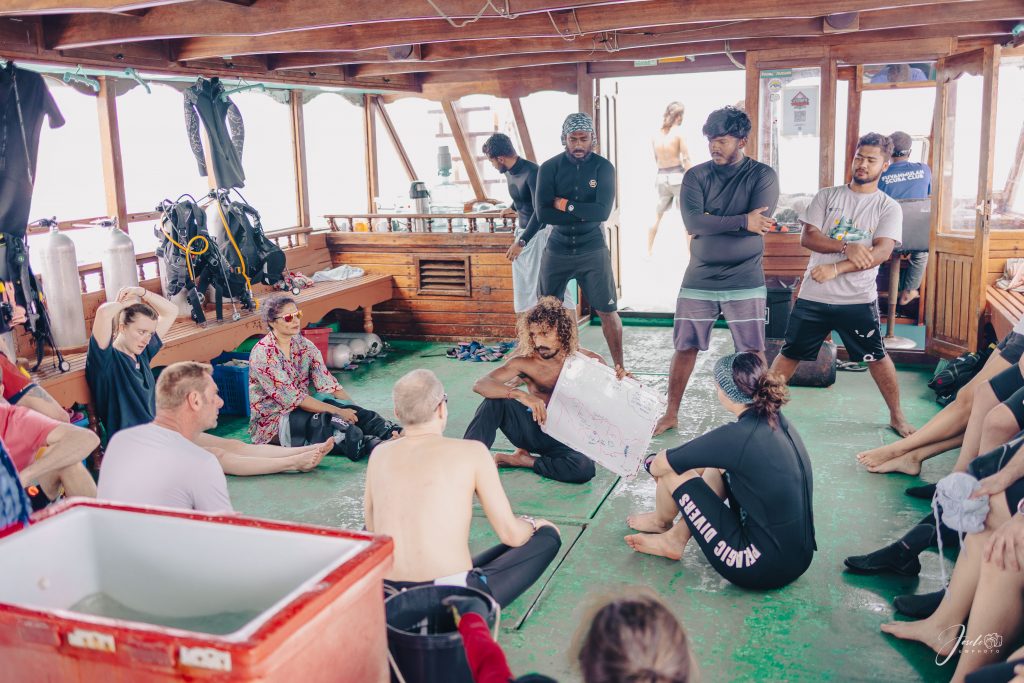
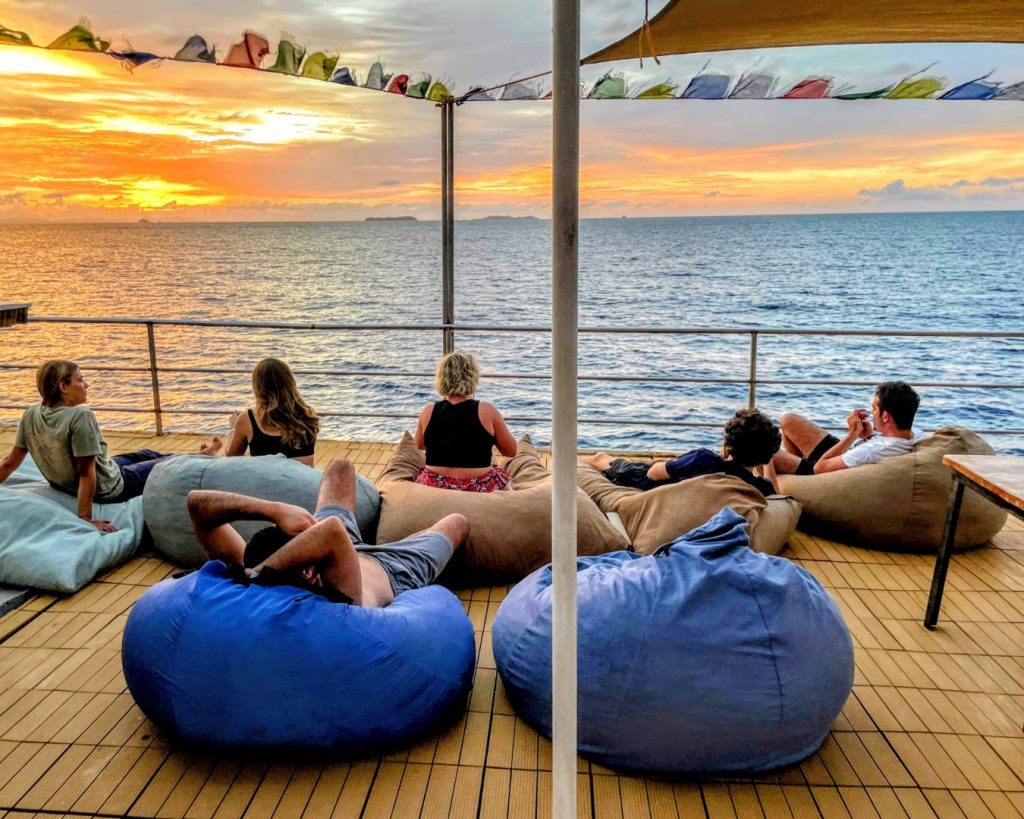
Morning briefing and surface interval — liveaboard life at the Brothers
Why book through BDB
BDB quality marks
Online reservation agency for liveaboards and dive resorts. Paris, France.
🛡 APST — Your payment is protected
Paris & Besançon · IM025230002 · SIRET 94829922700017
✓ BDB-Verified partner✓ Visited by BDB team⭐ Top-rated for solo divers🎓 Advanced divers👥 Groups & B2B welcome🛡 APST Financial Guarantee💶 No hidden fees — full cost shown✓ Reply under 1hr
We earn commission when you book. If this destination isn’t right for your level or dates, we’ll tell you.
Do I need Advanced certification to dive the Brothers Islands?
Most operators ask for Advanced Open Water as a minimum, since the sites regularly go past 18m and currents can be strong. A number of logged dives (often 20-30+) and comfort with drift diving is usually expected too, though exact requirements vary by boat — we can confirm what a specific operator needs before you book.
What’s the best time of year to dive the Brothers?
There’s no single confirmed window — reports point to roughly September through February as the more likely stretch for oceanic whitetip and thresher sightings, with grey reef and silvertip sharks around year-round. Conditions and sightings shift year to year, so ask us for the most current picture before choosing your dates.
Will I definitely see oceanic whitetip sharks?
No sighting is guaranteed with a wild, pelagic species. Oceanic whitetips are known to patrol between moored liveaboards at the Brothers and are seen regularly, especially in the cooler months, but they’re not present on every single dive. We can share recent operator reports so you know what to expect on your dates.
How do I get to the Brothers Islands?
The Brothers are only reachable by liveaboard, roughly 60km offshore from Marsa Alam or El Quseir. There’s no day-boat or shore-diving option — it’s built into a multi-day liveaboard itinerary, often combined with Daedalus and Elphinstone.
What’s the difference between Big Brother and Little Brother?
Big Brother has the lighthouse, the Numidia and Aida wrecks, and the South Plateau cleaning station. Little Brother has no wrecks but offers steeper coral walls and a strong reputation for grey reef and silvertip shark sightings. Most itineraries dive both.
Are there extra fees for diving the Brothers?
Yes — the Brothers sit inside a marine protected area, so park and port fees usually apply on top of the liveaboard price. These are typically collected in cash on board rather than included at booking; we’ll flag the expected amount for your specific trip.

![[NEEDS REAL BROTHERS/EGYPT PHOTO — placeholder is a Baja California image, flagged below]](https://wp.bookdiveboat.com/wp-content/uploads/2026/07/boat-anchored-at-baja-california.avif)
![[NEEDS REAL BROTHERS/EGYPT PHOTO — placeholder filename references Fuvahmulah, flagged below]](https://wp.bookdiveboat.com/wp-content/uploads/2026/07/equipments-fuvah-1024x683.jpg)