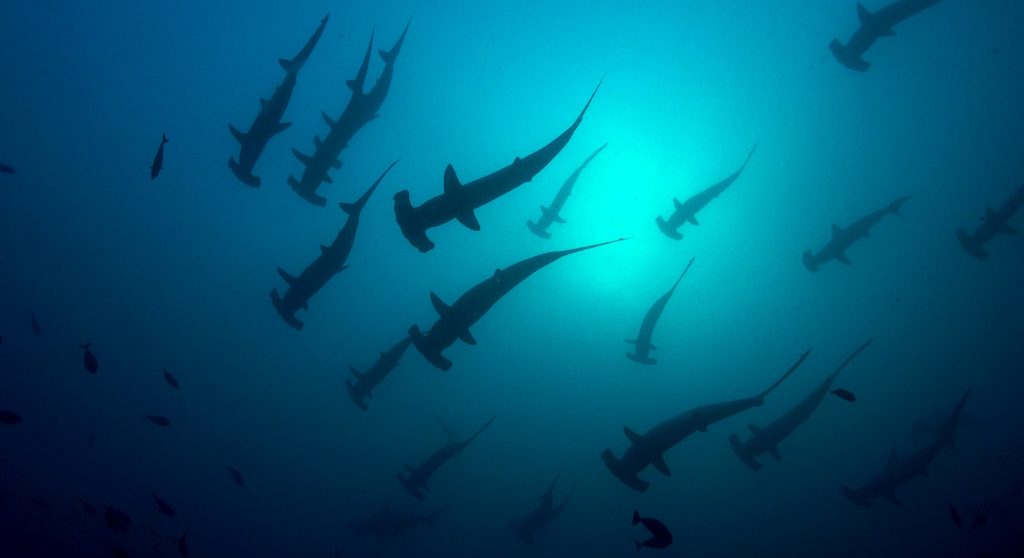
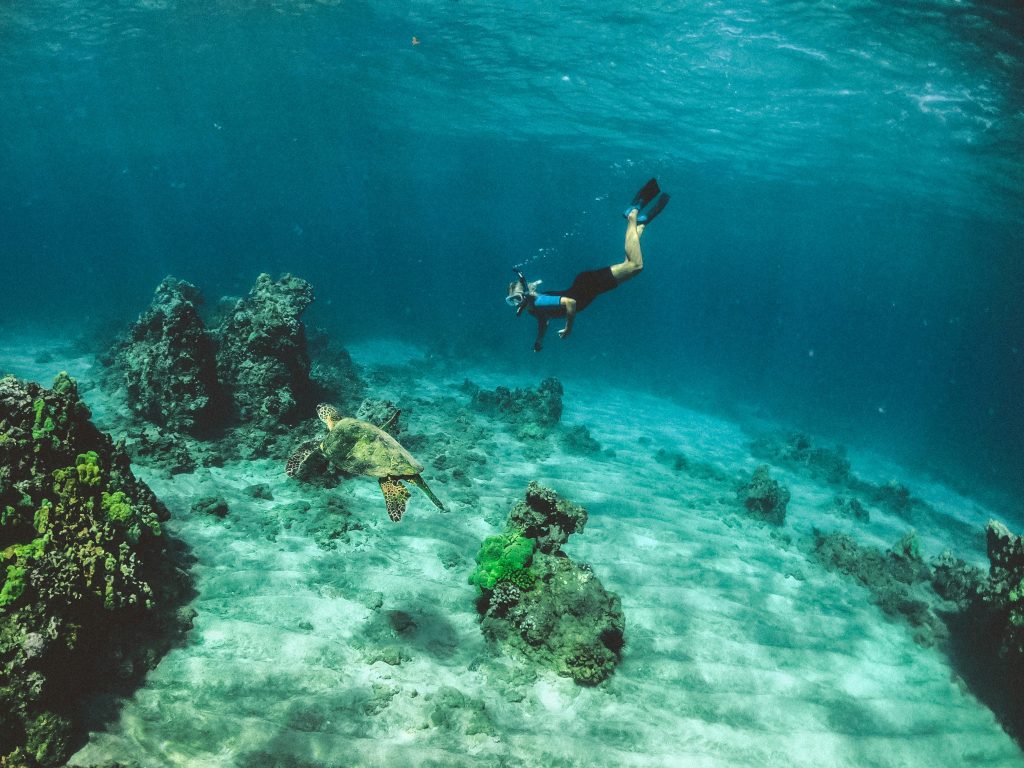
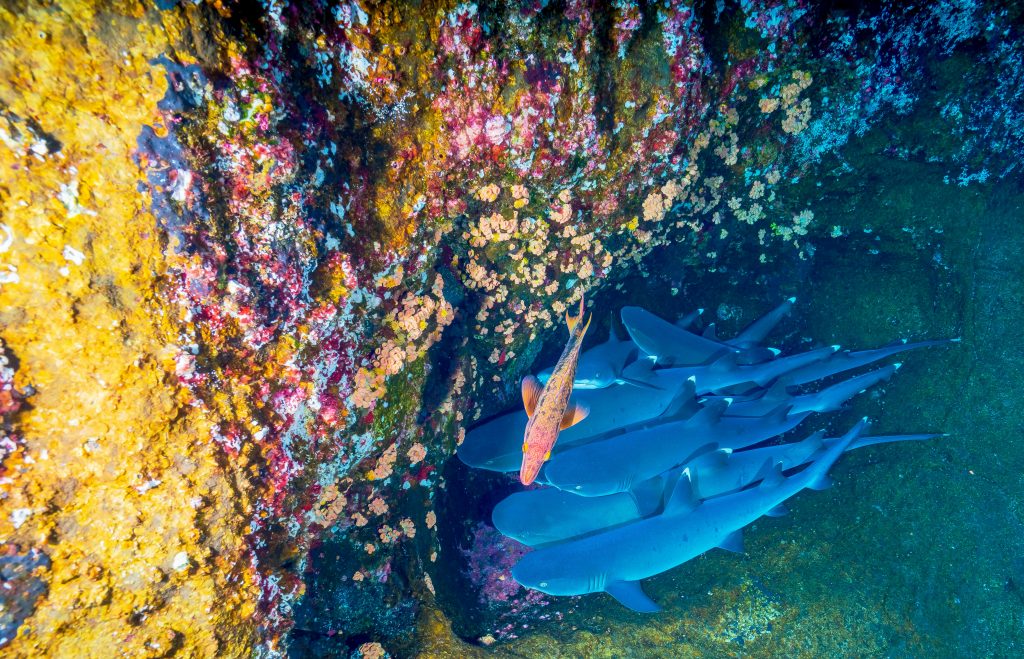
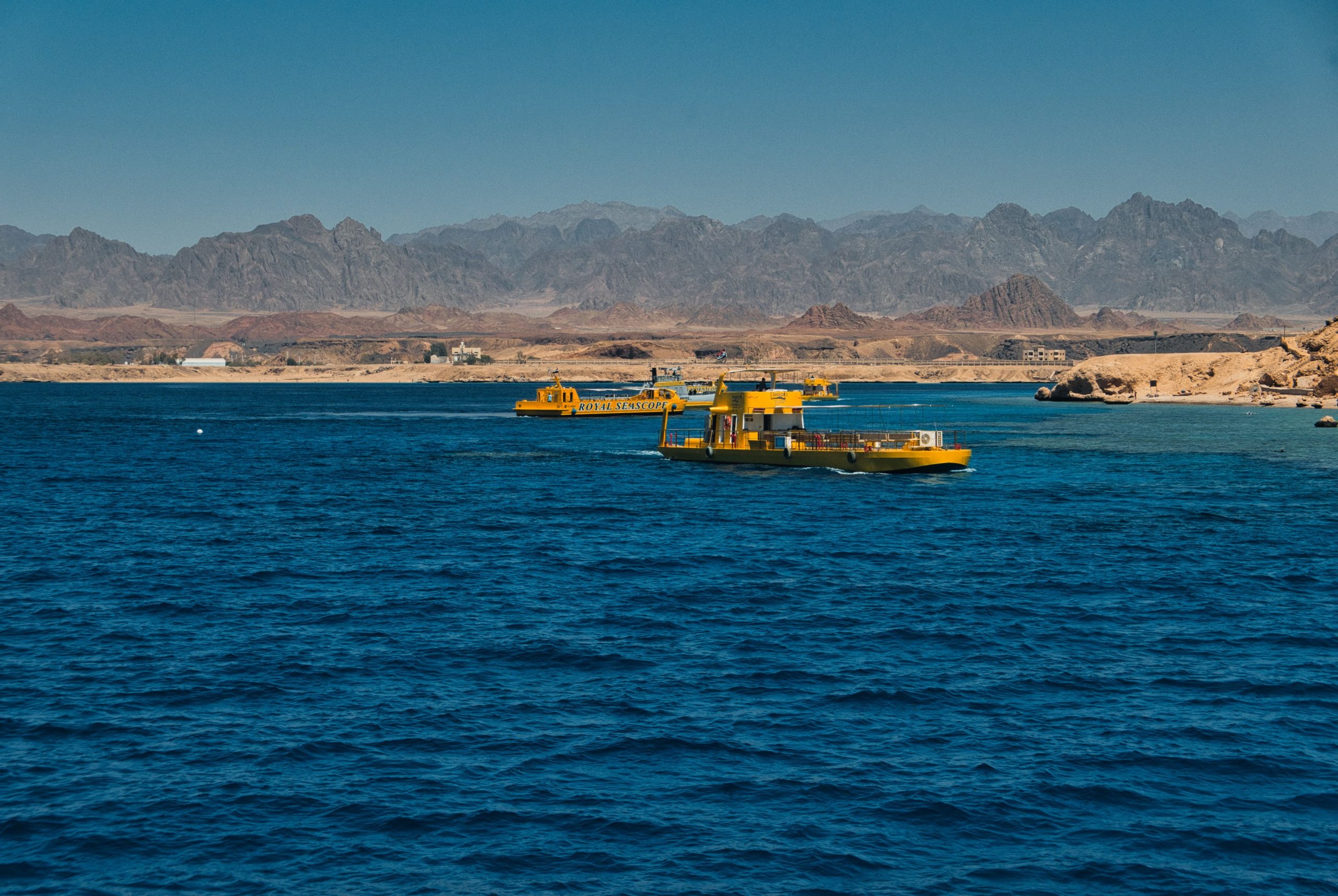
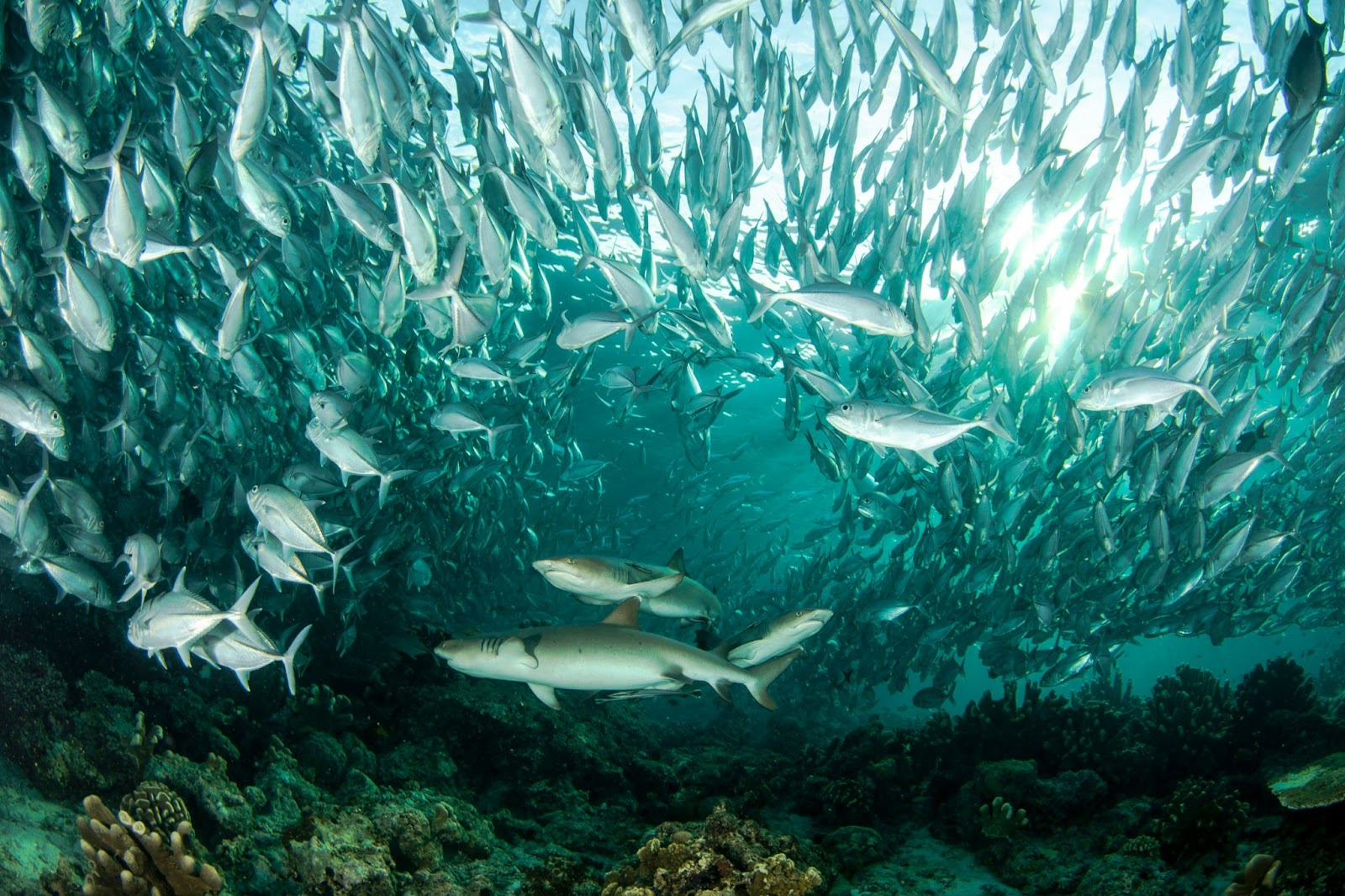
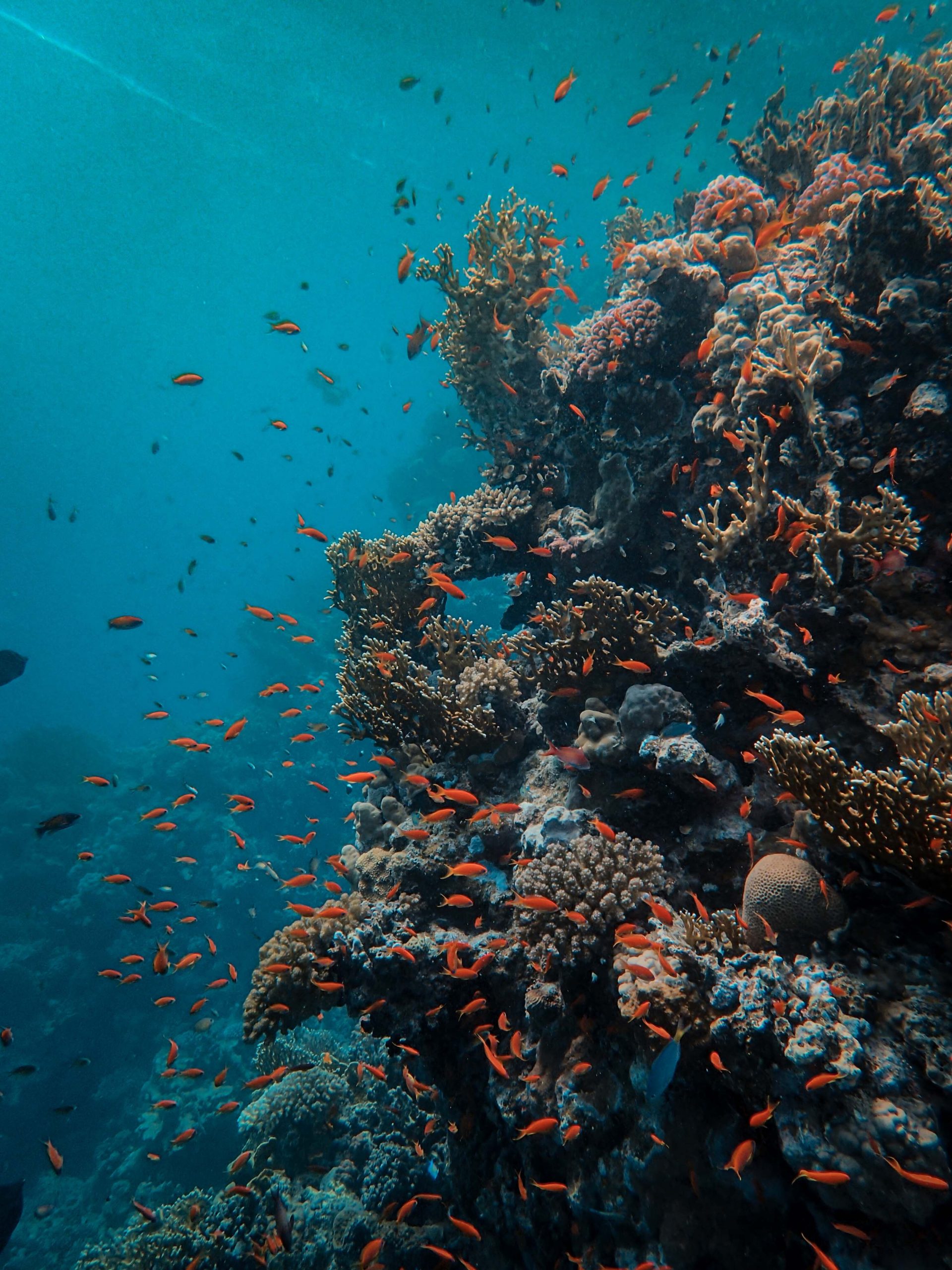
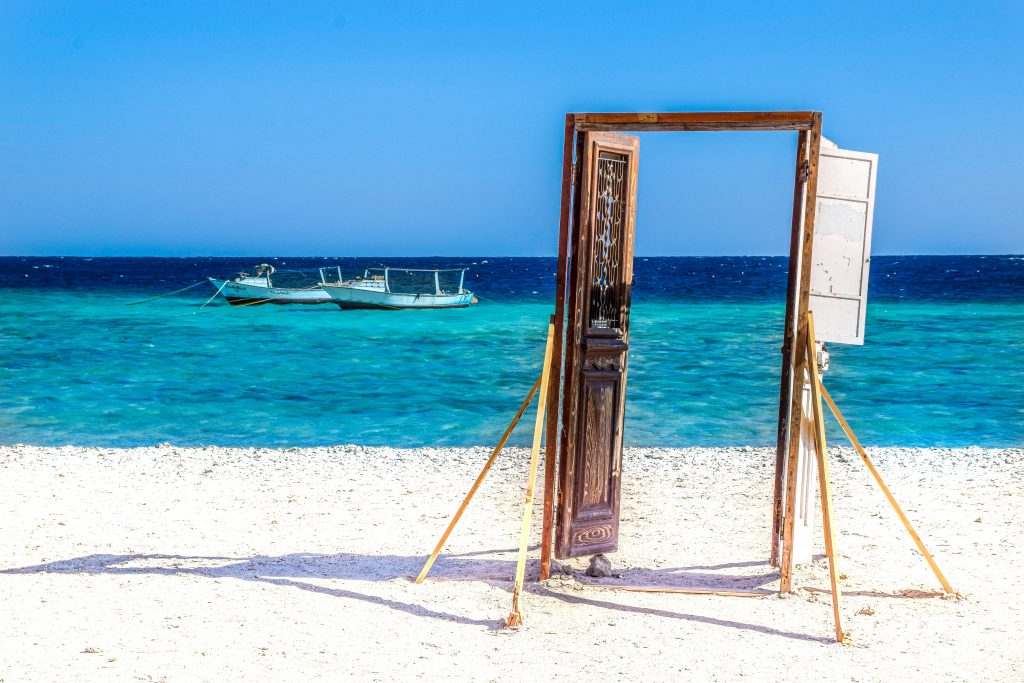
Daedalus Reef, the Thistlegorm and St John’s — three faces of the same coastline
Where the boats go
The Red Sea liveaboard routes
Egypt runs three main liveaboard circuits, each departing from a different port and suiting a different diver.
Year-round · Departs Hurghada / Sharm
Northern Route
Ras Mohammed’s walls, the Tiran Strait’s currents and the Thistlegorm wreck in one loop. Shorter crossings and calmer seas make this the easiest entry point to an Egypt liveaboard.
WrecksReef wallsGood first liveaboard
Year-round · Departs Marsa Alam / Port Ghalib
Southern Route — St John’s & Fury Shoal
Coral bommies, caves and swim-throughs along the Fury Shoal reefs, then the drift walls at St John’s near the Sudanese border. Often combined with a Daedalus or Elphinstone detour for shark sightings.
Caves & swim-throughsDrift wallsAll levels
May–Oct · Departs Port Ghalib
Deep South
The longest crossing of the three, running past Zabargad Island toward the Sudanese border. Fewer boats, more current, and some of the least-dived reef in the Egyptian Red Sea.
Remote reefsLonger crossingsExperienced divers
A fourth specialist circuit — Brothers, Daedalus and Elphinstone (BDE) — runs as an add-on or standalone trip out of Port Ghalib for divers chasing oceanic whitetips and hammerheads. Site detail is in the next section.
Timing it right
When to go, route by route
The Red Sea dives year-round, but each route has its own sweet spot for conditions and sightings.
Route
Best window & conditions
Northern Route
Diveable year-round; spring and autumn bring the calmest crossings and best visibility around Ras Mohammed and Tiran.
Southern Route (St John’s & Fury Shoal)
Also diveable year-round. Warmer water and calmer seas from May to October make the long crossings south more comfortable.
Deep South
Runs mainly May to October, when sea conditions favour the longer open-water legs toward Zabargad and the border.
Brothers–Daedalus–Elphinstone (BDE)
Oceanic whitetips and hammerheads are most reliably reported from around May through the summer months. Access at Brothers can be temporarily restricted by the park authority for safety or shark-monitoring reasons — confirm current status with us before booking.
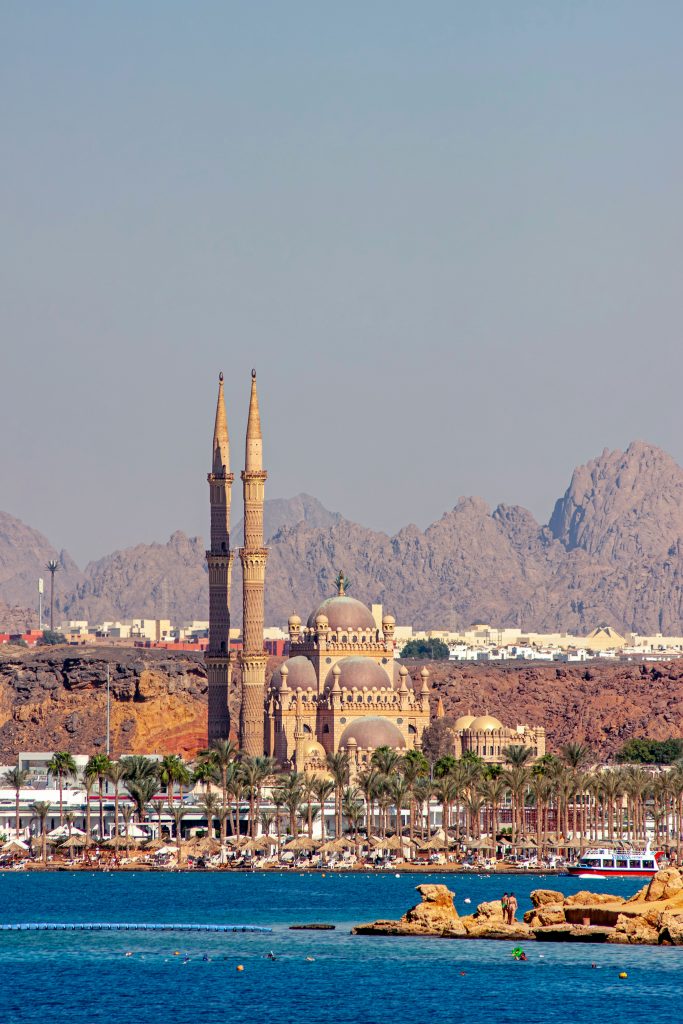
Hurghada, Port Ghalib and Marsa Alam — the three departure ports for an Egypt liveaboard
BROTHERS · DAEDALUS · SUMMER
🦈 Oceanic whitetips patrol the blue water off Daedalus and Brothers all summer — no bait, no cage, just open water.
Site by site
Dive sites by route
Five sites that anchor most Egypt liveaboard itineraries, from wreck to wall to open-water blue.
Thistlegorm · Northern Route
AOWD
17–30m · current possible · year-round
A WWII British supply ship sunk in 1941, holds full of motorbikes, trucks and railway wagons still intact. Multiple dives are needed to see the whole wreck, and early-morning slots avoid the day-boat crowds from Sharm.
Elphinstone Reef · BDE add-on
AOWD
10–50m+ · strong current possible · best May–Oct
A steep-sided reef plateau off Marsa Alam known for oceanic whitetips patrolling the drop-offs in summer. Both plateaus can run current, so a drift-diving comfort level matters more than raw dive count.
Daedalus Reef · BDE add-on
AOWD
5–40m+ · open water · May–Oct for pelagics
An isolated reef with a lighthouse, several hours from the nearest port, that pulls hammerheads and oceanic whitetips into open blue water off its walls. Reached only by liveaboard, never by day boat.
Big Brother · BDE add-on
AOWD
Vertical wall to 30m+ · strong current · access can vary
Two shipwrecks and a lighthouse-topped pinnacle rising from deep water, best suited to divers used to walls and current. The park authority can restrict access here on short notice, so we’ll confirm the current status before you book.
St John’s Caves · Southern Route
INTERMEDIATE
5–20m · mild current · year-round
A network of swim-throughs and light-shaft caverns cut into a shallow reef near the Sudanese border. Good buoyancy matters more than depth experience here, since the passages are narrow in places.
Not sure Northern or Southern fits your logbook? Send us your certification and we’ll check.
What actually varies boat to boat, and what to have ready before you send us your dates.
Topic
Detail
Certification
Open Water divers are welcome on the Northern and Southern routes; most operators running Deep South or BDE itineraries expect Advanced Open Water and some logged deep or drift dives. Send us your certification and logbook and we’ll confirm what a specific boat needs.
Trip length
Most Egypt liveaboards run 7 nights, though shorter 3–4 night Northern Route trips exist for first-timers testing the format.
Cost
Prices vary by boat, route and season, with park fees and Nitrox usually added on top of the base rate. Ask us for current pricing on the routes that interest you.
Departure ports
Hurghada and Sharm El Sheikh for the Northern Route; Port Ghalib and Marsa Alam for the Southern Route, Deep South and BDE. Flights typically route through Hurghada or Marsa Alam airport.
Booking ahead
BDE and Deep South cabins fill months in advance for the May–October peak. The Northern Route generally has more last-minute availability.
Non-divers
A liveaboard suits a boat of divers; a non-diving partner is usually better served by a Red Sea resort with a house reef. Both options are below.
Plan your trip
What kind of diving trip are you planning?
Liveaboards reach the wrecks and reefs day boats can’t; resorts suit if a non-diver is joining.
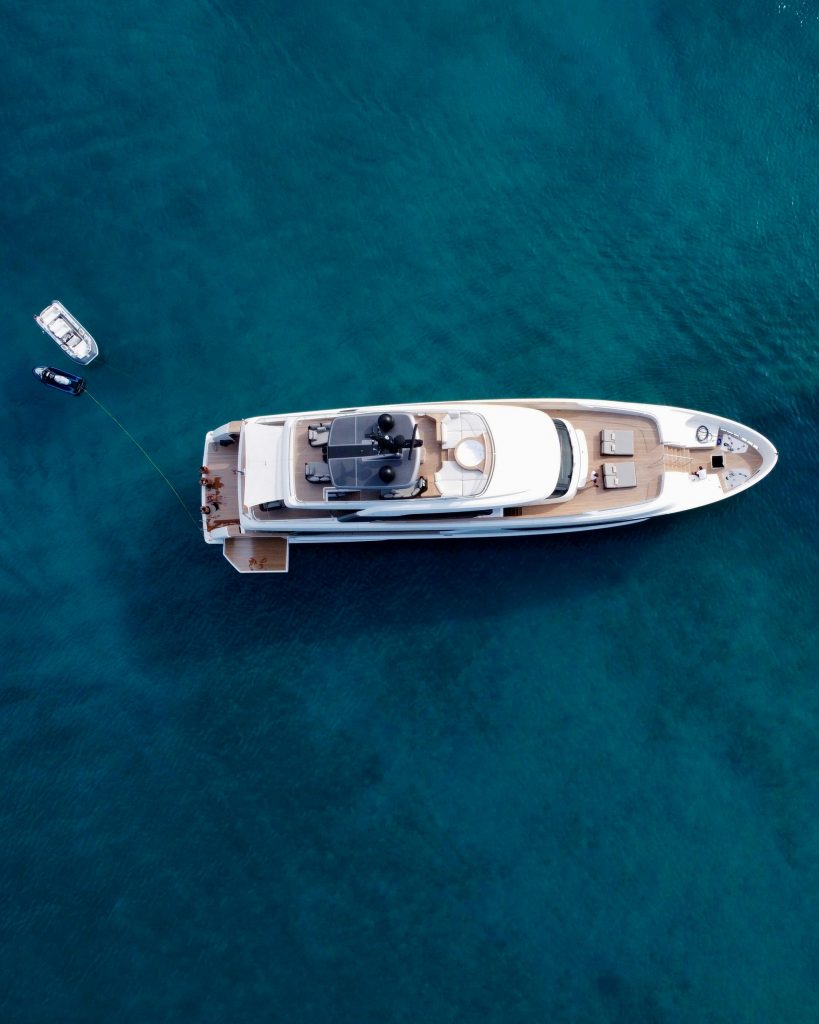
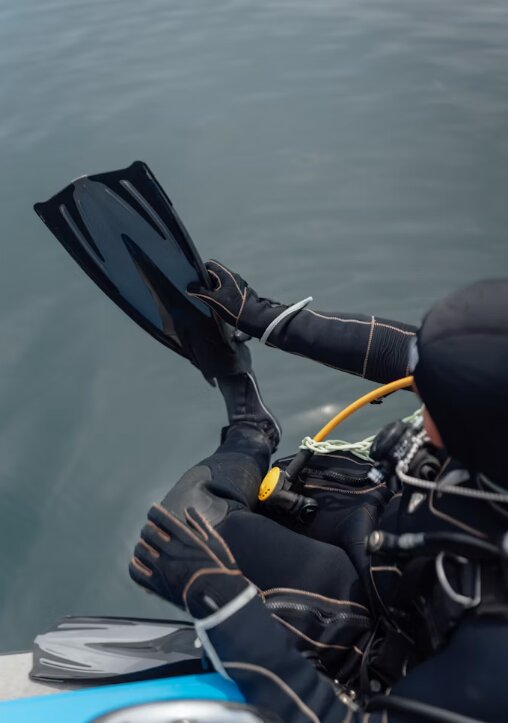
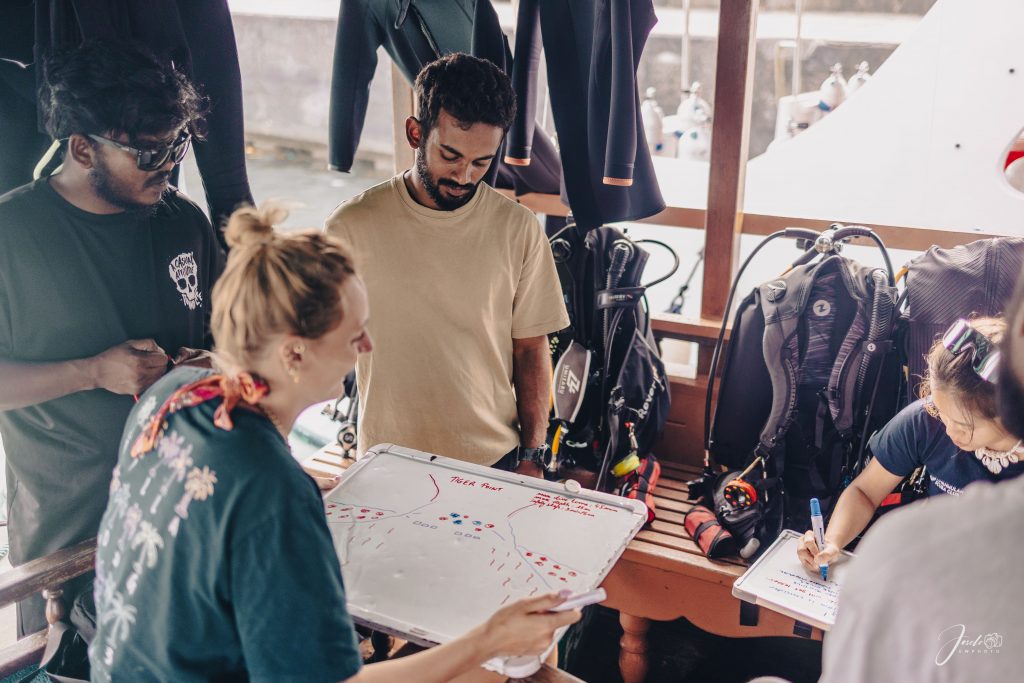
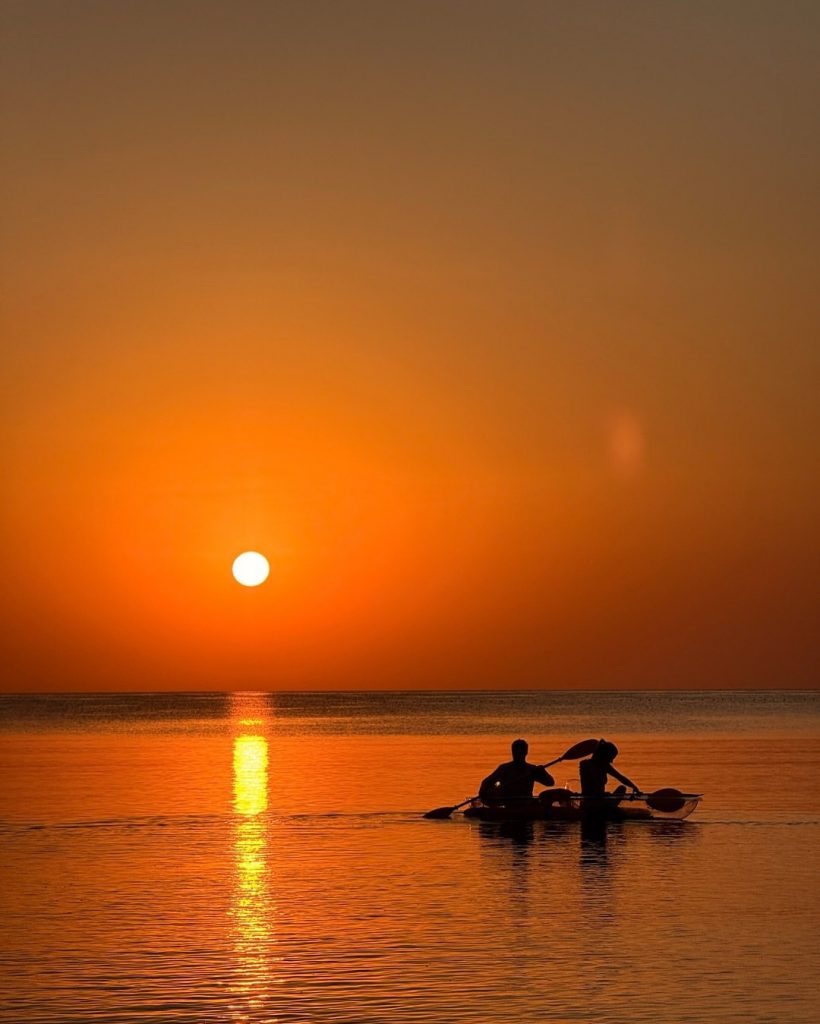
Life on deck between dives — briefings, gear checks and sunset over the Red Sea
Why book through BDB
BDB quality marks
Online reservation agency for liveaboards and dive resorts. Paris, France.
🛡 APST — Your payment is protected
Paris & Besançon · IM025230002 · SIRET 94829922700017
✓ BDB-Verified partner✓ Visited by BDB team⭐ Top-rated for solo divers🎓 Advanced divers👥 Groups & B2B welcome🛡 APST Financial Guarantee💶 No hidden fees — full cost shown✓ Reply under 1hr
We earn commission when you book. If this destination isn’t right for your level or dates, we’ll tell you.
What is an Egypt liveaboard, and how is it different from diving from Hurghada by day boat?
A liveaboard is a boat you sleep, eat and dive from for several days straight, reaching reefs and wrecks — Daedalus, Elphinstone, St John’s, the far Deep South — that are too far offshore for a day boat to reach and return from Hurghada or Marsa Alam in one trip. Day boats cover the near-shore Northern Route sites well, but a liveaboard is what gets you to the remote, less-crowded reefs the Red Sea is best known for.
When is the best time for a Red Sea liveaboard?
The Northern and Southern routes dive year-round, with spring and autumn giving the calmest crossings. If oceanic whitetips and hammerheads on the Brothers–Daedalus–Elphinstone circuit are the goal, May through October is the stronger window. Deep South itineraries also lean toward the May–October months, when sea conditions favour the longer open-water legs.
What’s the difference between the Northern Route and the Southern Route in Egypt?
The Northern Route departs Hurghada or Sharm El Sheikh and covers Ras Mohammed, the Tiran Strait and the Thistlegorm wreck — shorter crossings, calmer seas, a good first Egypt liveaboard. The Southern Route departs Marsa Alam or Port Ghalib and runs the coral bommies of Fury Shoal into the drift walls at St John’s near the Sudanese border, often paired with a Daedalus or Elphinstone detour for shark sightings.
Do you need Advanced Open Water for a Brothers–Daedalus–Elphinstone liveaboard?
Most operators running the BDE circuit expect Advanced Open Water plus some logged deep or drift dives, since Elphinstone and Daedalus both involve open water, current and depths past the Open Water limit at points. Exact requirements vary boat by boat — send us your certification and logbook and we’ll confirm what a specific operator needs before you book.
How much does a week-long Egypt liveaboard cost?
It depends on the boat, the route and the season, with marine park fees and Nitrox usually charged on top of the base cabin rate. BDE and Deep South trips generally sit above Northern Route pricing given the longer crossings and higher fuel cost. As an intermediary we don’t display fixed prices since they change by operator — send us your dates and we’ll come back with current options.
Is an Egypt liveaboard a good first liveaboard trip?
Yes — the Northern Route in particular is a common entry point, with shorter crossings, calmer seas most of the year and Open Water divers welcome on most itineraries. If it’s genuinely your first time on a liveaboard of any kind, our how-to-choose guide and packing guide are worth a read before you book.